Campaign group accuses Worcester recruiter of targeting activists with personal data
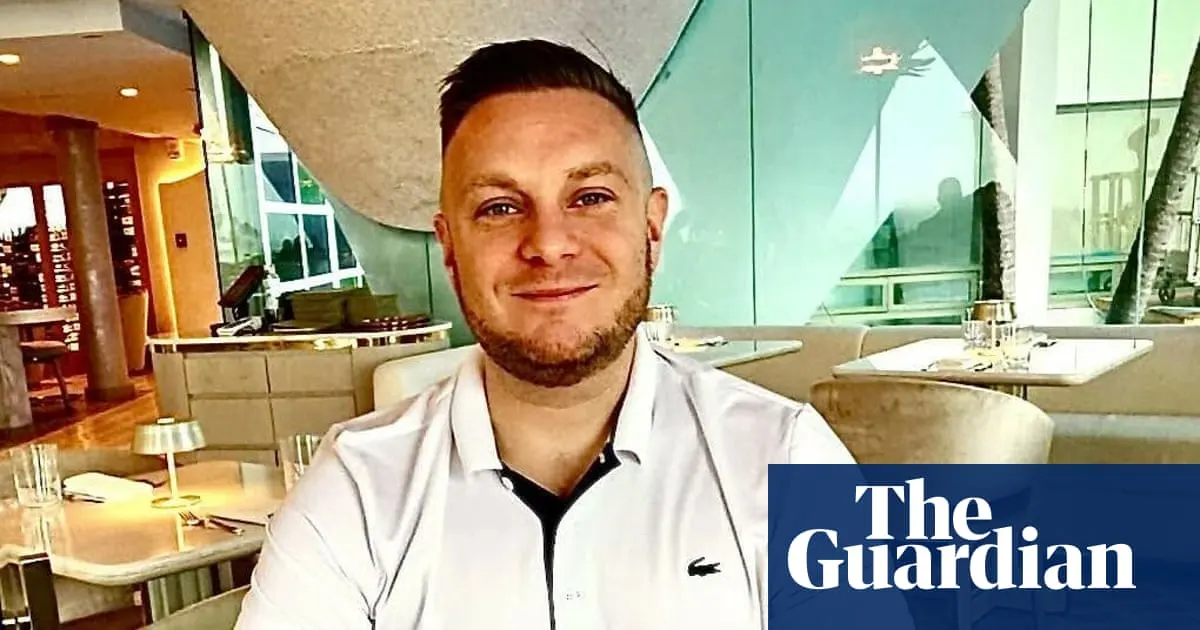
Tom Watson, a Worcester-based recruitment firm owner, has been accused by campaign group Hope Not Hate of running the X account “Big Time Charlie”, which published personal information about RNLI staff, anti-racism activists and business executives. The allegations matter because targets say the posts prompted harassment and could deter charities and businesses from their work; Watson’s alleged role has not been established in court.
The account, which had nearly 50,000 followers, was deactivated after Hope Not Hate named Watson and the Guardian sought his comment. It reportedly used information from LinkedIn and other sites to compile a “Traitorbase”, and praised hard-right MP Rupert Lowe, claiming a £2,500 donation to his Restore Britain party. Green councillor Chantelle Lunt said she reported the publication of her details to police, while a targeted businessperson said the experience was unpleasant but had not caused apparent problems.
- Hope Not Hate alleges Tom Watson ran the Big Time Charlie X account.
- The account posted personal details about activists, RNLI staff and executives.
- It was deactivated after Watson was named.
New here? Start with this
A social media account called Big Time Charlie posted personal information about activists, charity workers and business figures across X, formerly Twitter. The account, which had nearly 50,000 followers, reportedly compiled data from LinkedIn and other public sites into what it called a "Traitorbase".
Campaign group Hope Not Hate has accused Tom Watson, a Worcester-based recruitment firm owner, of running the account. Those whose details were published say the posts prompted harassment and could deter charities and businesses from their work.
The account praised hard-right MP Rupert Lowe and claimed donations to his Restore Britain party. Some targets reported the matter to police, though others said the experience was unpleasant but had not caused apparent problems. Watson's involvement has not been established in court.
Both sides, in good faith
The strongest fair case each way — we don't pick a winner.
The case for
Those defending the account argue that it compiled publicly available information about individuals actively promoting particular ideologies within major institutions, which the public has a right to know. From this perspective, sharing information already public on LinkedIn is legitimate political accountability, not harassment; targets held positions of public influence and should expect scrutiny for their views. Discomfort about being identified is not the same as being harmed, and should not prevent democratic accountability.
The case against
Critics argue this was doxxing—the systematic compilation of personal information specifically designed to enable coordinated harassment of individuals. The account's stated purpose as a 'Traitorbase', cooperation with like-minded activists, and the reported harassment that followed demonstrate malicious intent beyond accountability. Even if underlying information was technically public, assembling it to facilitate attacks on specific individuals is unacceptable; protecting people from organised harassment matters more than the claimed accountability value.
Asia Elections Politics Technology World
Read the full article at the source →
Originally published by The Guardian as “Recruitment boss accused of being behind ‘doxxing’ campaign against RNLI and anti-racism activists”.