Business news and discussion on TalkFuse.
Reform back on top of Labour in new poll
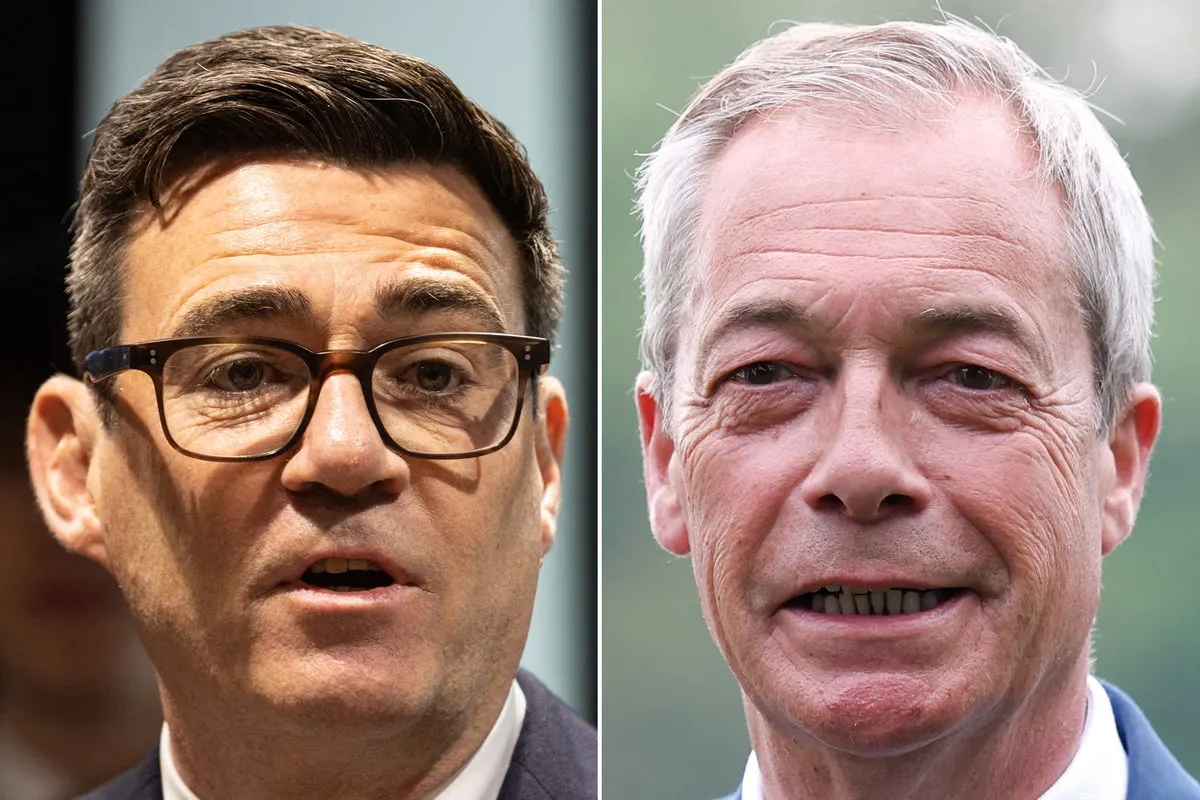
Reform UK has retaken its lead over Labour in a new YouGov poll, ending the brief "Burnham bounce" that followed Andy Burnham's rapid ascent to Downing Street. The result raises questions about whether Labour's uplift under its new prime minister will last, with pollster YouGov cautioning that public satisfaction with the government remains low despite Burnham himself being well-regarded personally.
The YouGov poll puts Reform on 23 per cent to Labour's 22 per cent, having been tied at 22 per cent the previous week. It comes despite a rocky patch for Nigel Farage, who faces a parliamentary sleaze probe over a £5m gift from crypto-billionaire Christopher Harborne and questions over support from convicted money launderer George Cottrell, while Labour's Bev Craig comfortably won the Greater Manchester mayoralty. YouGov's Dr Patrick English said voters remain unconvinced on cost of living and immigration, and other pollsters have shown mixed results, with Survation and More in Common both putting Labour ahead. Farage is currently contesting the Clacton by-election after resigning his seat in protest at the Harborne investigation, following a run in which Reform led over 300 consecutive polls since April 2025.
In short
- Reform regains poll lead over Labour, 23% to 22%, per YouGov
- "Burnham bounce" appears short-lived; other pollsters still show Labour ahead
- Farage fights Clacton by-election amid donation and sleaze controversies
Explained simply
Reform UK is a right-wing political party led by Nigel Farage, while Labour is one of Britain’s main parties and currently forms the government. Opinion polls estimate how people might vote if a general election were held; small changes between polls do not necessarily show a lasting shift.
Andy Burnham is a senior Labour politician who recently became prime minister, and his arrival was followed by a short-lived rise in Labour’s poll ratings. Polls from different firms can produce different results, so they offer a snapshot of opinion rather than a prediction of an election result.
The parties are competing for support on issues including living costs and immigration. Poll ratings matter because they can shape how parties judge their public standing, but they do not determine who governs: that is decided by votes at a general election.
Business Elections Government Markets Politics