Reform councillor quits party to sit as independent
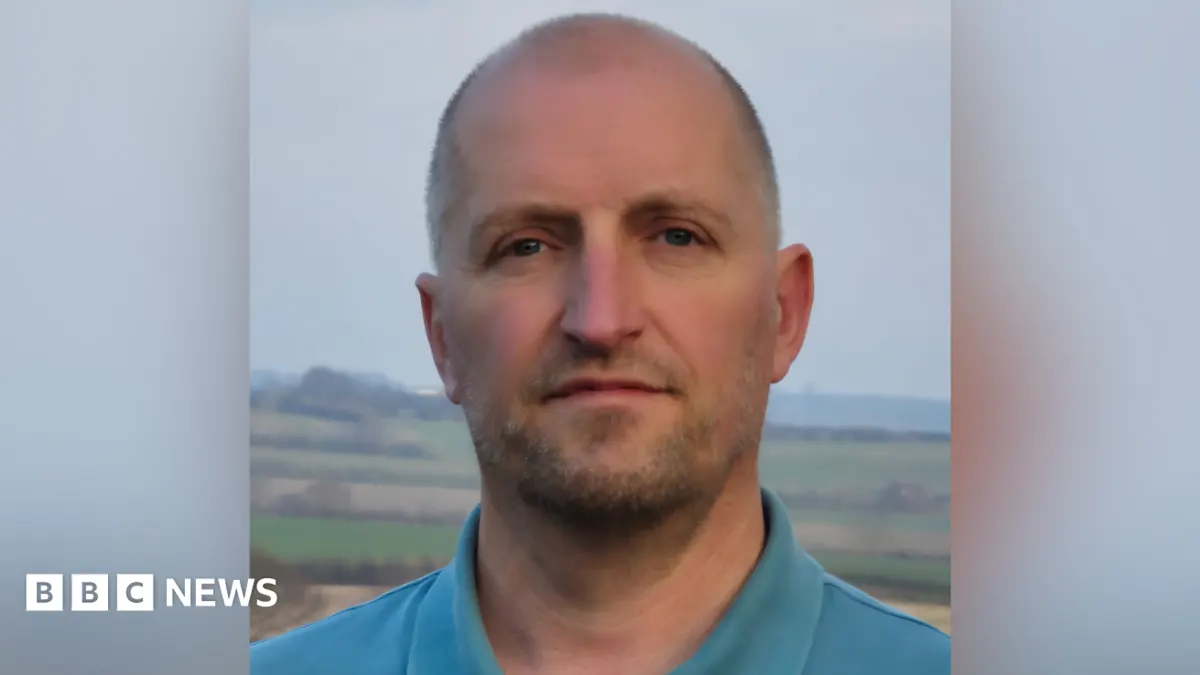
William Shaw has left Reform UK and will serve as an independent councillor for Conisbrough on City of Doncaster Council. He said his council work now includes politically neutral roles, prompting his decision to leave the party while continuing to represent the ward.
Reform’s council leader, Howard Rimmer, said the party was extremely disappointed, arguing that party membership need not prevent impartial work and that residents elected Shaw under the Reform banner. Elected in May 2026, Shaw is a farmer and was appointed the council’s farming and nature recovery champion earlier this year. He also sits on the Conisbrough North Pride in Place board, which will decide how £20m is spent in the community over the next decade.
- William Shaw has left Reform UK.
- He will remain a Conisbrough councillor as an independent.
- He holds roles tied to farming and a £20m community investment.
New here? Start with this
City of Doncaster Council is the local authority for Doncaster, and councillors are elected to represent particular areas, known as wards. Conisbrough is one such ward; William Shaw was elected to represent it in May 2026 as a Reform UK councillor.
Councillors can hold roles focused on local issues, while council decisions may involve people from different political parties. Shaw is a farmer and has council roles covering farming and nature recovery, as well as a place on the Conisbrough North Pride in Place board, which will oversee £20m of community funding over ten years.
Reform UK is a political party, and its council leader in Doncaster is Howard Rimmer. Shaw’s move means he will continue representing Conisbrough but without party membership; the disagreement centres on whether his party affiliation was compatible with his neutral duties and how residents’ choice at the election should be represented.
Both sides, in good faith
The strongest fair case each way — we don't pick a winner.
The case for
Shaw’s decision can be seen as a way to protect confidence in roles that require impartiality, particularly when he is helping shape nature recovery policy and sits on a board deciding how substantial public funds are spent. Continuing as a councillor allows him to represent Conisbrough while making clear that those responsibilities are not undertaken on behalf of a party.
The case against
Residents elected Shaw as a Reform UK candidate, so leaving the party may weaken the link between their vote and the political platform he promised to represent. Party membership does not necessarily prevent impartial work, and remaining in Reform could have preserved that accountability while allowing him to carry out neutral council duties.