Reform UK reports Zack Polanski to police over guillotine T-shirt post
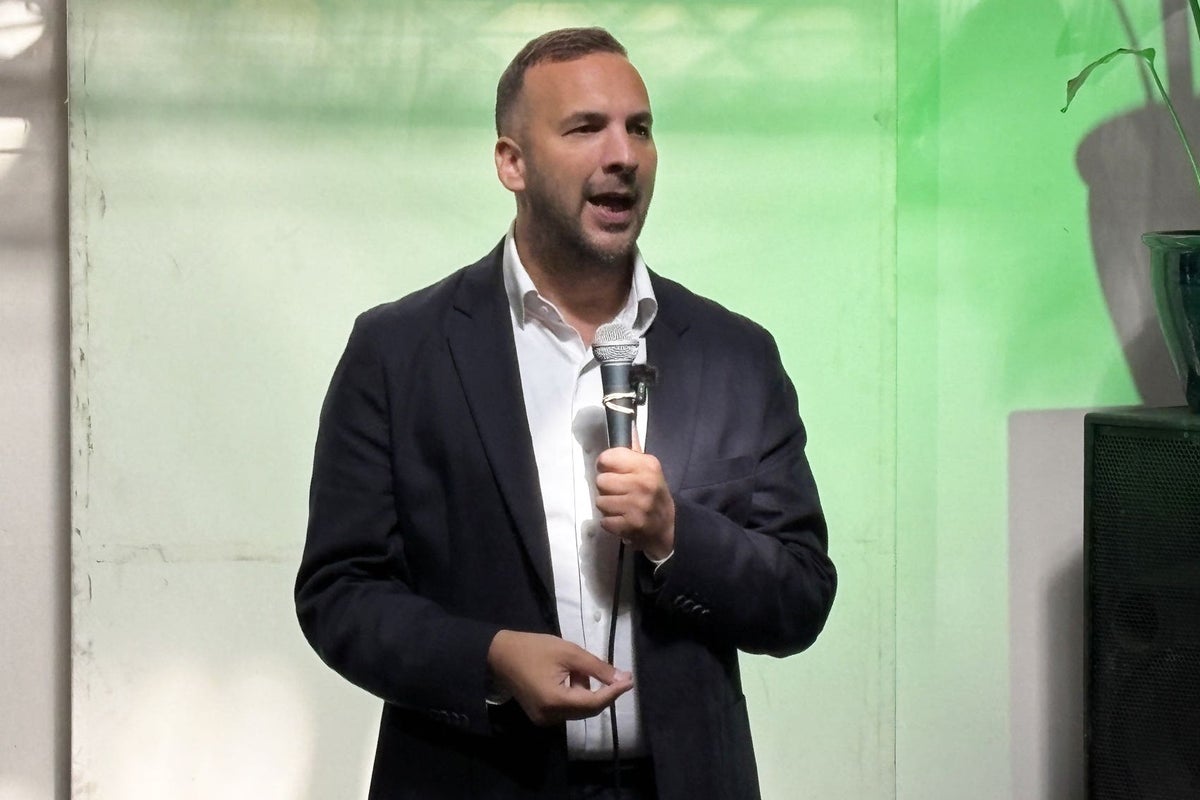
Reform UK has reported Green Party leader Zack Polanski to police after he shared, then removed, an Instagram image showing a man wearing a T-shirt bearing the message "We're only making plans for Nigel" alongside a guillotine, in an apparent reference to Nigel Farage. Reform's home affairs spokesperson Zia Yusuf accused Polanski of "inciting murder", calling it "staggering" that he shared the image weeks after the death of Ann Widdecombe, who was allegedly attacked with a hammer. The row comes amid heightened concern over the safety of public figures in British politics.
The Metropolitan Police confirmed it received a third-party report on Monday 27 July and is making inquiries. The Green Party said Polanski "condemns" the image and had accidentally accepted a tag on a 20-image post without realising what it contained, describing the T-shirt as "in poor taste" and calling for less division in public discourse. Separately, Prime Minister Andy Burnham said politics had "darkened" since he left Westminster and called for a "serious review" of MPs' security following Widdecombe's death.
- Reform UK reported Green leader Zack Polanski to police over a guillotine T-shirt image
- Polanski removed the post, saying he was unaware of its full content
- Met Police confirmed it is investigating the shared image
Both sides, in good faith
The strongest fair case each way — we don't pick a winner.
The case for
Those supportive of Reform UK's complaint argue that imagery combining a named politician with a guillotine is not mere edginess but a visual reference to political violence, and that such symbols cannot be waved away as jokes at a time when MPs and public figures have faced genuine threats and attacks, including the recent killing of Ann Widdecombe. They contend that a party leader has a heightened duty of care in what they amplify to followers, that reporting the post to police is a proportionate way to have the matter assessed rather than a punishment in itself, and that consistent condemnation of violent rhetoric, regardless of which politician is targeted, is essential to lowering the temperature in public life.
The case against
Those sympathetic to Polanski's position argue that he removed the image swiftly, says he did not notice its content among a larger tagged post, and has explicitly condemned it as being in poor taste, all of which points to carelessness rather than malicious intent. They contend that treating an accidentally shared, quickly deleted image as a matter for a police report risks weaponising the language of incitement for political advantage, chills the kind of provocative satire long used against politicians of all stripes, and diverts attention from a more constructive conversation, one Polanski himself says he wants, about reducing division and protecting public figures across the political spectrum.