Politics news and discussion on TalkFuse.
Rejoining the EU would send bills soaring for British families, campaigners warn
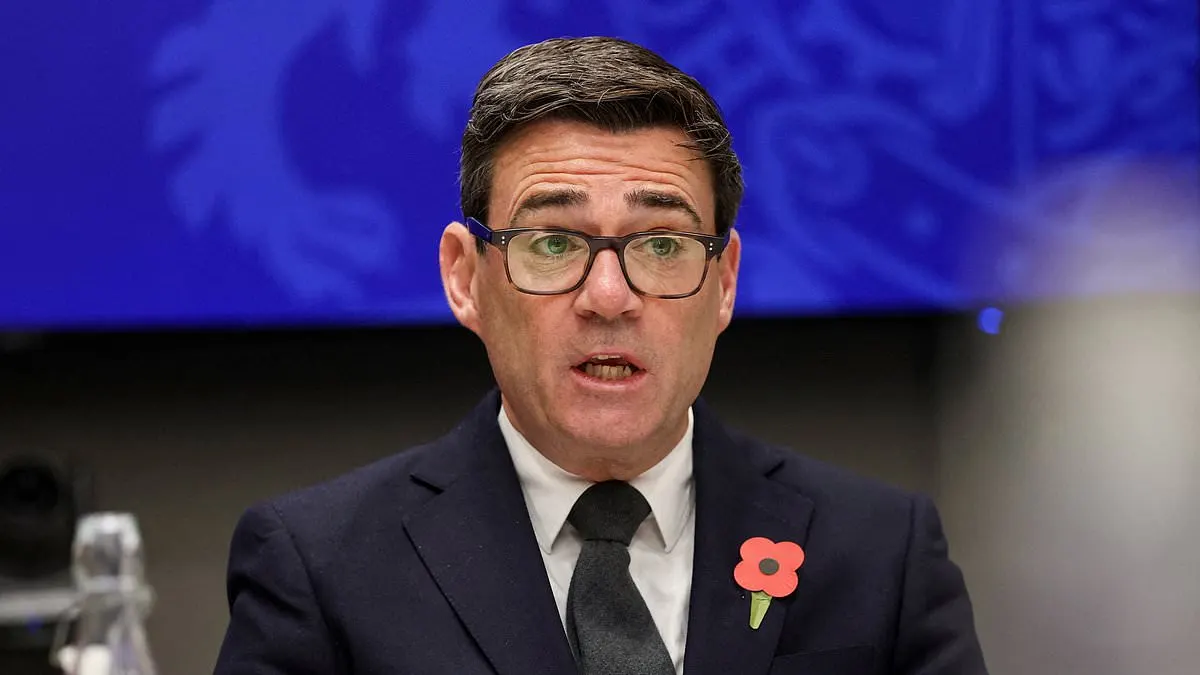
Prime Minister Andy Burnham has delayed setting out options for the UK’s long-term relationship with the EU, despite previously promising to do so around the time of this week’s UK-EU summit. He says there is “no rush” and that the options will be presented with a ten-year plan by the end of the year, prompting opposition criticism that he is putting off a divisive decision.
Burnham says Labour’s commitments against rejoining the single market or customs union, and against restoring freedom of movement, remain in place, and that the public will decide what comes next. He argues closer ties could help reduce food and electricity costs. The article reports Cabinet divisions and a year-long public discussion proposed by Burnham; some EU diplomats fear this could give opponents time to shape opinion, while one said the debate may ultimately come down to the current arrangement or rejoining the EU.
In short
- Burnham has delayed presenting options for the UK’s future EU relationship.
- He says a ten-year plan and options will come by year’s end.
- Labour’s stated red lines remain against the single market and free movement.
Steelman: both sides, in good faith
The strongest fair case each way — we don't pick a winner.
The case for
A fuller, carefully prepared plan could help the public and businesses weigh the practical choices for the UK’s long-term relationship with the EU, rather than forcing a decision at a politically charged summit. Burnham’s case is that closer cooperation may ease food and electricity costs, while a public discussion gives voters a say and allows the government to set out trade-offs alongside its ten-year plan.
The case against
Delaying the promised options risks prolonging uncertainty for businesses and households, and can look like avoiding a difficult choice. Critics may argue that a year-long debate gives opponents time to dominate the discussion, while the government should clarify how it can improve ties and lower costs without crossing its stated red lines on the single market, customs union and freedom of movement.
Explained simply
The UK left the European Union in 2020, ending its membership of the EU’s single market and customs union. These arrangements set shared rules for trade and reduce barriers between member countries; leaving them changed how many goods and services move between the UK and the EU.
Rejoining the EU would mean becoming a member again, while closer ties could also involve agreements short of membership. The debate concerns how to balance trade, migration rules and the UK’s ability to set its own policies, and what those choices could mean for household costs and businesses.
Elections Europe Geopolitics Government Politics UK World