World news and discussion on TalkFuse.
Remarkable video shows jubilant Lindsey Graham saying he ‘almost cried’ after convincing Trump to strike Iran… as details of extraordinary exchange with Netanyahu about ‘dragging US into another conflict’ are revealed
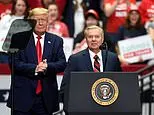
A newly surfaced video reportedly shows Republican Senator Lindsey Graham in an emotional state, saying he "almost cried" after persuading Donald Trump to order strikes on Iran. The footage is said to form part of a documentary detailing behind-the-scenes exchanges among Graham, Trump and Israeli Prime Minister Benjamin Netanyahu in the lead-up to the strikes, offering a rare glimpse into the private lobbying that shaped the decision.
According to the report, the documentary also reveals a tense exchange in which Netanyahu was warned about the risk of "dragging the US into another conflict", underlining the sensitivity of the decision within the US administration. Full details of the documentary's content, its release and the precise nature of the Graham-Netanyahu exchange were not fully available in the source material reviewed.
In short
- Video shows Graham emotional after Trump agreed to strike Iran
- Documentary reveals Graham-Netanyahu exchange on US conflict risk
- Footage offers rare insight into private pre-strike deliberations
Steelman: both sides, in good faith
The strongest fair case each way — we don't pick a winner.
The case for
This episode illustrates how major military decisions affecting American lives and resources can be shaped through personal lobbying by a senator and foreign leader rather than through rigorous institutional analysis. The documentary's own concern about 'dragging the US into another conflict' and Graham's emotional response suggest the decision was driven by persuasion and personal influence rather than cool strategic judgment about American interests. The private nature of these exchanges, combined with apparent pressure to support Israel's security objectives, raises legitimate questions about whether US foreign policy is being determined by what serves American interests or by alliance dynamics that privilege other nations' strategic goals.
The case against
Congressional oversight and private consultation on national security matters are entirely appropriate, and Graham's role advising the President on a significant decision reflects his legitimate responsibilities. Israel and America share security interests in the region, and close coordination on threats like Iran is standard allied practice. The emotional weight Graham felt underscores the gravity of the decision, not impropriety in the process. Concerns about potential escalation show responsible deliberation about consequences, and the decision to act against a genuine threat to American and allied interests reflects sound policy-making consistent with long-standing strategic relationships.
Explained simply
The United States and Iran have been in periodic conflict and tension, with disputes centred on nuclear policy, regional influence, and military actions. As president, Donald Trump has the authority to order military strikes against other nations, and he has apparently done so against Iran. Private discussions that influence such major decisions are normally kept confidential.
Lindsey Graham is a senior Republican Senator with considerable influence in Trump's political circle. Benjamin Netanyahu is the Prime Minister of Israel, America's closest ally in the Middle East. A documentary has reportedly surfaced with private exchanges between these figures about the decision to strike Iran.
The significance of this disclosure is that it reveals the private lobbying and diplomatic pressure that can influence major military decisions. The reported concerns about "dragging the US into another conflict" reflect ongoing debate within American politics about military involvement in the Middle East.
Americas Geopolitics Middle East Politics World