World news and discussion on TalkFuse.
Remote Canadian island town with no name that’s swelling in size as thousands rush to cash in on untapped gold sitting beneath the surface
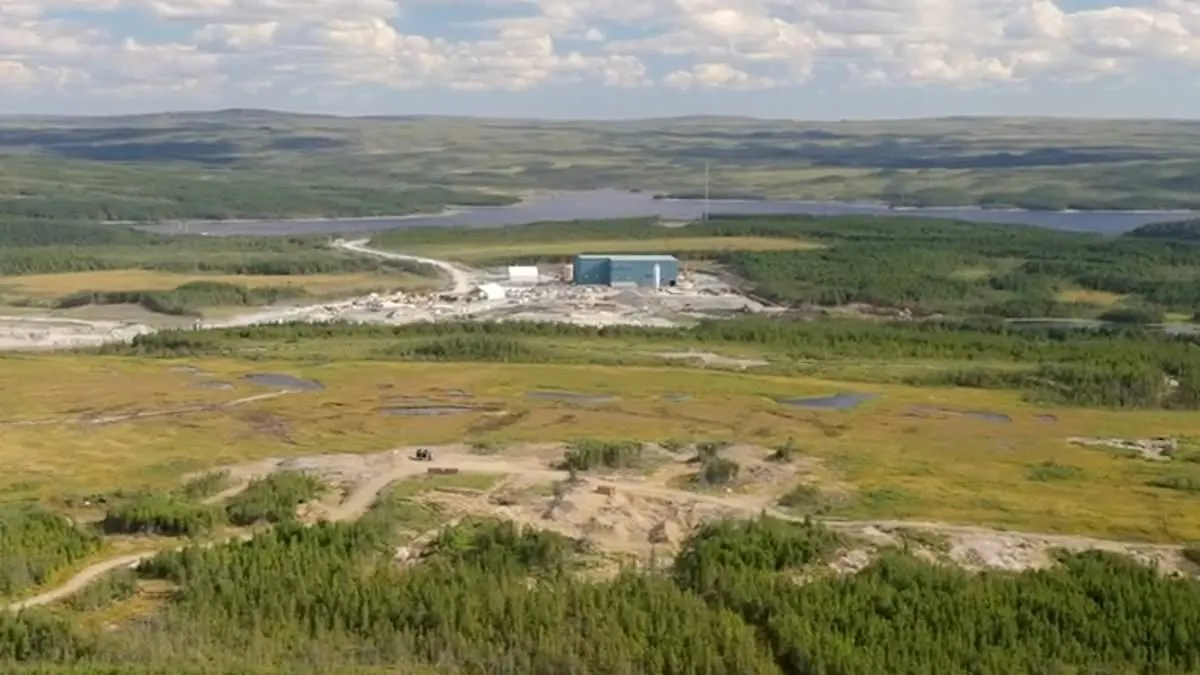
Valentine Gold Mine, operated by Vancouver-based Equinox Gold in the heart of Newfoundland, has grown into a makeshift, nameless town of around 2,000 workers since opening for commercial production last November. The site lies about three hours from the nearest highway, and the work has drawn workers back to the province, with the company and provincial officials describing it as a major source of jobs and economic benefits.
Equinox has announced a $436 million plan to expand infrastructure across the mine's 320-square-kilometre property, which would make it the largest gold mine in Atlantic Canada. Workers rotate on two-week shifts, and about 94 per cent of the workforce comes from Newfoundland and Labrador. The company has built an on-site town with a gym, cafeteria and clinic, and reported $1 billion in quarterly revenue earlier this month. Mining has long been a cornerstone of the province's economy, and the site's gold was first discovered in 1986.
In short
- Valentine Gold Mine has grown into a nameless town of about 2,000 workers.
- Workers rotate two-week shifts, with 94 per cent from Newfoundland and Labrador.
- Equinox plans a $436 million expansion, making it Atlantic Canada's largest gold mine.
Steelman: both sides, in good faith
The strongest fair case each way — we don't pick a winner.
The case for
Supporters argue that the Valentine site offers well-paid, long-term work in a province with a proud mining heritage, and that about 94 per cent of the workforce coming from Newfoundland and Labrador means the benefits stay at home rather than drawing people away. They would point to the $436 million infrastructure plan as evidence of sustained commitment, to the on-site gym, cafeteria and clinic as signs that the company is looking after workers in a remote location, and to the revenue that can fund public services across the province. For them, responsible resource development turns a natural endowment into prosperity, and an operation already in production is a practical route to that goal.
The case against
Critics respond that a project covering 320 square kilometres and set to expand carries environmental and land-use costs that deserve careful weighing, including effects on water, habitat and the territories of Indigenous and other communities with a stake in how the land is used. They are concerned that a largely unplanned, nameless settlement built around two-week rotations may offer thin social infrastructure and little lasting connection to nearby towns, and that long stretches away can strain family and community ties. Many would also caution against tying so much of the regional economy to a single extractive industry whose fortunes follow commodity prices, arguing that gains must be weighed against mine closure obligations and the risk of boom-and-bust cycles. Their case is not opposition to jobs or gold, but a demand that growth be planned, monitored and held to high standards.
Explained simply
The Valentine Gold Mine is a gold mining operation in central Newfoundland, an island province on Canada's east coast. It is run by Equinox Gold, a company based in Vancouver on Canada's west coast, and began commercial production last November. The site is about three hours from the nearest highway, so the company has built its own on-site facilities, including a cafeteria, gym and clinic, and around 2,000 people now work there.
Workers follow two-week rotating shifts, and about 94 per cent come from Newfoundland and Labrador, which has drawn many people back to the province. Equinox has proposed a C$436 million expansion of infrastructure across its 320-square-kilometre site, which would make it the largest gold mine in Atlantic Canada. Company and provincial officials describe the project as a major source of jobs and economic benefits.
Mining has long been a cornerstone of Newfoundland and Labrador's economy, and the gold at this site was first discovered in 1986. Projects of this size shape both local employment and the way communities develop in remote areas. The Valentine site is therefore a notable example of how the industry operates in the province today.