Science news and discussion on TalkFuse.
Renewable energy in NI reaches record level
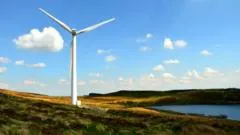
Northern Ireland generated a record 53% of its electricity from renewable sources in the year to June 2026, surpassing the previous high set in 2022, according to figures highlighted by Economy Minister Caoimhe Archibald. It marks the first time renewable output has consistently outstripped non-renewable generation since January, and comes after several years in which renewable generation had been falling, partly due to weather conditions and the practice of switching off turbines when grid demand is insufficient. The minister said the shift would help move Northern Ireland away from price volatility caused by global fossil fuel costs and towards more stable, fairer electricity prices.
Wind power accounted for almost three-quarters (74%) of renewable electricity, with bioenergy contributing 18%, solar 6%, and landfill gas and hydro/tidal generation 1% each. Even accounting for imported electricity, renewables' share matched the previous 50% record from 2022/23. Northern Ireland has set a target of generating 80% of its electricity from renewable sources by 2030.
In short
- NI hit a record 53% renewable electricity generation in the year to June
- Wind supplied 74% of that renewable output, followed by bioenergy at 18%
- NI targets 80% renewable electricity generation by 2030
Steelman: both sides, in good faith
The strongest fair case each way — we don't pick a winner.
The case for
The record shows that Northern Ireland can generate more of its electricity from local renewable sources, reducing exposure to volatile global fossil fuel prices and supporting progress towards its 2030 target. With wind already supplying most renewable power, further investment in renewables could improve energy security and make prices more stable over time.
The case against
A high renewable share is not by itself proof of lower or fairer bills, since costs also depend on grid upgrades, storage, backup generation and how electricity is priced. The past decline in output and the need to switch off turbines when demand or grid capacity is insufficient suggest that reaching 80% reliably will require substantial changes, whose costs and benefits should be assessed alongside the headline figure.
Explained simply
Northern Ireland’s electricity comes from a mix of renewable sources, such as wind and solar, and non-renewable sources, including fossil fuels. Wind provides most of its renewable power, with bioenergy, solar, landfill gas and hydro or tidal power making up smaller shares.
The Department for the Economy sets energy policy, and its minister is Caoimhe Archibald. Northern Ireland aims to generate 80% of its electricity from renewables by 2030, while also relying on electricity imports to meet demand.
The mix matters because power generation affects exposure to changing global fuel costs. Wind and other renewable sources depend on conditions and the electricity grid’s ability to take the power they produce.