World news and discussion on TalkFuse.
Renewed refinery attacks deplete Russian diesel supply as US deal in focus
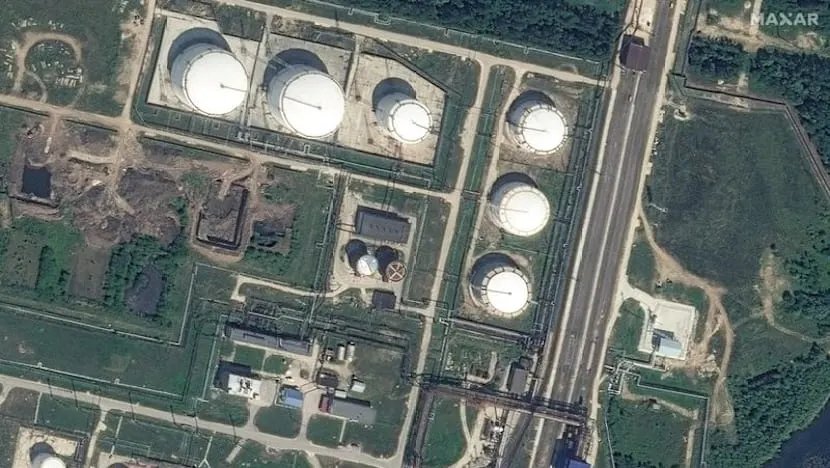
Ukraine has resumed attacks on Russian oil refineries, adding pressure to domestic fuel supplies as Moscow tries to restart diesel exports under an October deal with US President Donald Trump. The renewed strikes matter because earlier attacks had taken processing capacity offline and contributed to shortages, prompting Russia to restrict fuel exports.
The Ryazan refinery may have been hit in a drone strike this week, following an attack on the Yaroslavl plant on Monday; confirmation of the Ryazan strike was still pending. Shipping data showed at least six Russian diesel cargoes signalling transatlantic voyages, while two appeared to have changed course. No Russian diesel shipment had reached the US since the deal, and the first observed US-bound cargo was expected in New York that weekend, though its discharge was uncertain amid regulatory and sanctions concerns.
In short
- Ukraine has renewed attacks on Russian refineries.
- At least six Russian diesel cargoes signalled transatlantic voyages.
- The first observed US-bound shipment may not be unloaded.
Steelman: both sides, in good faith
The strongest fair case each way — we don't pick a winner.
The case for
Ukraine can argue that striking refineries weakens Russia’s capacity to sustain its war and puts pressure on revenue and logistics that support it. The attacks may also be seen as a way to impose costs on Russian infrastructure while Moscow seeks to resume diesel exports under its deal with the United States.
The case against
Critics can argue that attacks on refineries risk worsening fuel shortages and disrupting civilian and commercial supply, with effects that may extend beyond military targets. They may also question whether strikes are strategically worthwhile if they complicate energy markets or provoke wider escalation, particularly while the proposed US-bound shipments face uncertainty over sanctions and regulation.
Explained simply
Russia is a major producer of diesel, made by processing crude oil at refineries. Ukrainian attacks on these plants have previously reduced the amount of fuel available inside Russia, leading the government to limit exports.
The United States is also a potential buyer of Russian diesel. Any sales depend on the October agreement between Moscow and US President Donald Trump, as well as shipping arrangements and rules related to sanctions. This matters because refinery output affects both Russia’s domestic fuel supply and how much diesel it can sell abroad.