David Sabatini awarded $6 million in defamation case against former colleague
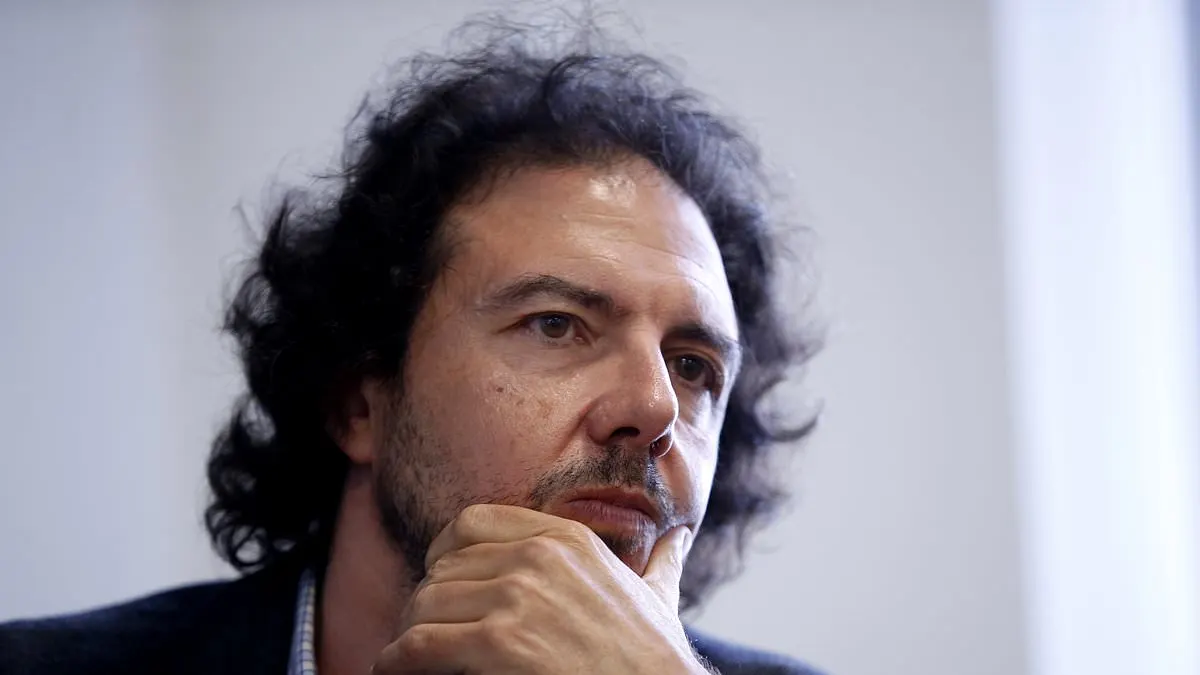
A Massachusetts jury has ordered scientist David Sabatini’s former colleague Kristin Knouse to pay him $6 million plus interest, finding that she defamed him and interfered with his ability to earn a living. The verdict follows a three-week civil trial over allegations that Sabatini abused his senior position during their relationship, and marks a major development in a case that damaged his career.
Sabatini, 58, and Knouse, 38, began a relationship in 2018 while he was mentoring her at the Whitehead Institute; both acknowledged having sex, but disagreed over whether it was consensual. Their relationship ended in 2020, and Knouse reported alleged misconduct. An investigation found that Sabatini fostered “sexist and sexualized work discussions”; he resigned from the institute in 2021 and later left his tenured MIT post.
- Jury awards David Sabatini $6 million plus interest.
- It found Kristin Knouse defamed him and harmed his earning ability.
- Sabatini left Whitehead and MIT after workplace misconduct findings.
New here? Start with this
David Sabatini is a biologist who led a research laboratory at the Whitehead Institute, a biomedical research centre in Massachusetts, and held a tenured post at the Massachusetts Institute of Technology. Kristin Knouse, also a scientist, worked with him while he was senior to her and involved in mentoring her.
The two began a sexual relationship in 2018 and separated in 2020. Knouse reported concerns about his conduct; an institute investigation found that Sabatini had encouraged sexist and sexualised discussions at work, and he resigned in 2021 before later leaving MIT.
The dispute raises questions about how research institutions handle allegations involving senior staff and junior colleagues. It also concerns the boundary between personal relationships and professional power, as well as the effects that public allegations and institutional investigations can have on careers.
Both sides, in good faith
The strongest fair case each way — we don't pick a winner.
The case for
The verdict supports the view that serious allegations should be made and assessed through fair, evidence-based procedures, because false or carelessly spread claims can cause lasting harm to a person’s reputation and livelihood. Sabatini’s supporters may argue that the jury’s findings recognise that harm and reinforce the need to distinguish substantiated misconduct from defamation.
The case against
The case also raises concern that a defamation verdict and substantial damages may deter people from reporting alleged workplace abuse, especially where there is a marked power imbalance. Knouse’s supporters may argue that reporting concerns should not itself expose someone to severe financial liability, and that the verdict does not erase the investigation’s finding about Sabatini’s workplace conduct.
Read the full article at the source →
Originally published by Daily Mail as “Renowned scientist wins eye-watering seven-figure payout after jury rules his much younger colleague lied about him being a sex pest”.