News, events and chat from Sheffield and South Yorkshire.
Reader urges revival of Great Central Railway to ease Sheffield congestion
Developed over time first seen 3 months ago
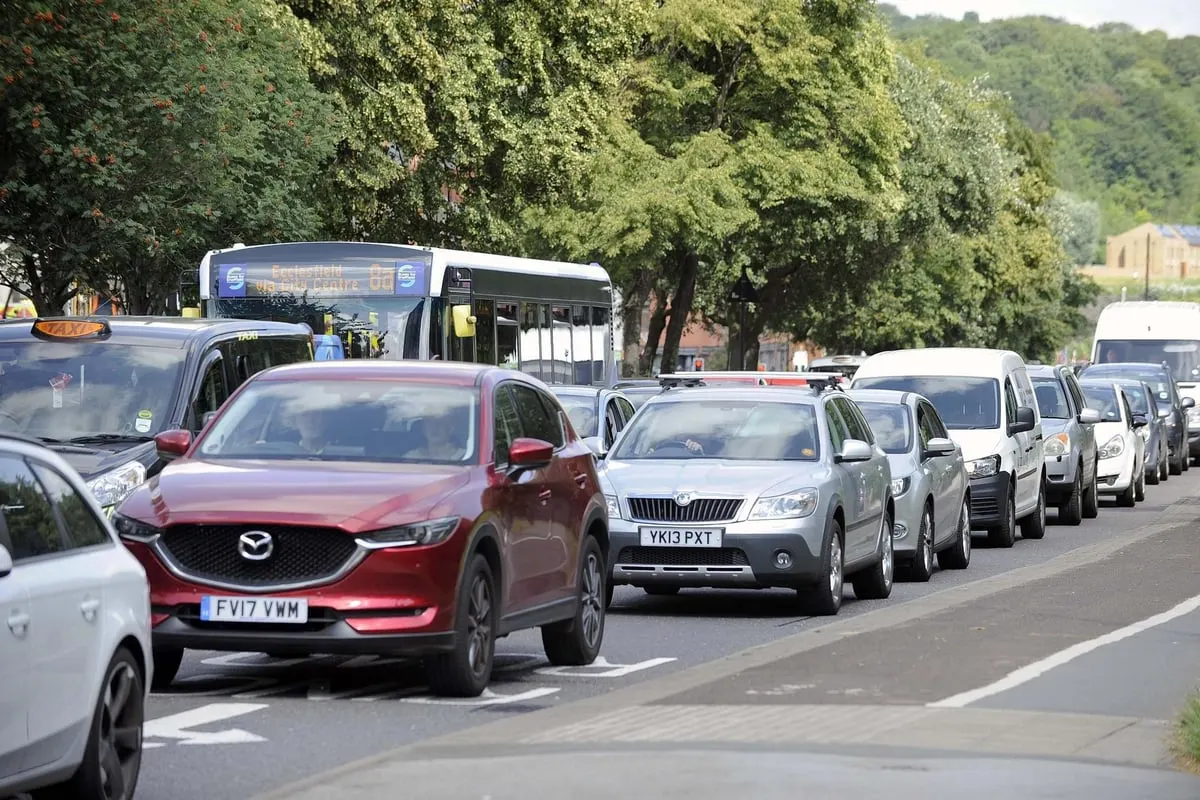
A Sheffield resident has written to The Star proposing that the disused Great Central Railway line be reopened to help ease severe traffic congestion on the city's ring road. The letter-writer argues that persistent tailbacks are worsening air quality and pollution, and that improved public transport links along the route could reduce residents' reliance on cars for everyday journeys.
The letter suggests running existing diesel trains as a quick, short-term fix, while working towards converting the corridor to a tram-train service in the longer term. The proposed route would run from Nunnery Square through Victoria, Wadsley Bridge, Oughtibridge and Deepcar. The writer also links the idea to the Green Party's recent decision to allow greenbelt development, suggesting that reviving the railway could help offset the environmental impact of that land-use choice.
- Sources
- 2
- Outlets
- 2
- Left · Centre · Right
- 0 · 0 · 0
In short
- Reader letter proposes reopening old Great Central Railway line in Sheffield
- Aim: ease ring road congestion and cut air pollution
- Suggests diesel trains short-term, tram-train conversion long-term
How this story developed
- 3 months ago The Star has since republished the resident's proposal in a re-edited form, retaining the same route, staged diesel-to-tram-train plan and the link to the Green Party's greenbelt development decision, with only wording and phrasing altered from the original letter.
- 3 months ago A Sheffield resident has written to the Star proposing that the disused Great Central Railway be reopened, arguing diesel trains could ease ring road congestion in the short term ahead of a longer-term tram-train conversion through Victoria, Wadsley Bridge, Oughtibridge and Deepcar.
Steelman: both sides, in good faith
The strongest fair case each way — we don't pick a winner.
The case for
The proposal addresses a genuine crisis: severe congestion degrades air quality and residents' quality of life, and existing car-dependent patterns are environmentally unsustainable. Reopening the Great Central Railway utilises an established corridor, avoiding costly land acquisition, and could create a meaningful alternative to private vehicle use. A phased approach—starting with existing diesel trains whilst developing a modern tram-train service—offers pragmatic sustainability benefits that could measurably reduce congestion and emissions.
The case against
Whilst congestion is real, reopening a disused railway represents substantial capital investment whose cost-benefit case remains unproven. Rail infrastructure demands significant ongoing operational and maintenance expenditure, and genuine uncertainty exists about whether the route would attract sufficient ridership to justify the expense when alternative interventions—bus rapid transit, congestion charging, cycling infrastructure—might deliver relief more cost-effectively. The project risks becoming a costly white elephant that diverts resources from proven solutions.
Explained simply
Sheffield's ring road has long been a bottleneck, with regular tailbacks that residents say are contributing to poor air quality in surrounding neighbourhoods. The Great Central Railway, once a major line linking the city to Manchester and London, has stretches that fell out of passenger use decades ago; parts of its old route through areas like Nunnery Square, Wadsley Bridge and Deepcar still exist but are not currently used to carry commuters.
Reopening disused rail corridors to relieve road traffic is an idea that comes up periodically in cities across the UK, usually raised by residents, campaigners or local politicians rather than as official council policy. In this case, the proposal has been put forward by a member of the public in a letter to a local newspaper, so it reflects one individual's view rather than any confirmed transport plan.
The mention of the Green Party's greenbelt decision refers to a separate, ongoing debate in Sheffield about how much undeveloped land on the city's edges should be opened up for housing or other development, which has been a point of contention locally. Linking the two issues shows how transport and land-use debates in the city are often seen by residents as connected, even though they are decided through different processes.
Coverage · 2 sources
Read the full article at the source →
Originally published by The Star (Sheffield) as “‘Reopen the former Great Central Railway to reduce congestion on the roads’ – reader’s letter”.