Rep Andy Harris threatens to have student journalist prosecuted for recording press conference
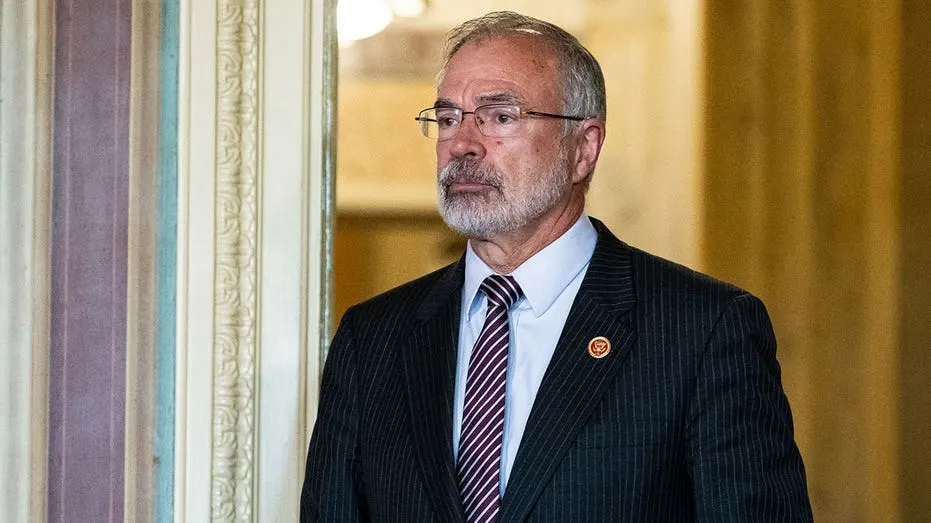
Republican Representative Andy Harris threatened to refer University of Maryland student journalist Cat Murphy to prosecutors for recording him at a public news conference. His claim that Maryland’s two-party consent law barred her from filming was challenged by other reporters and press freedom experts, making the exchange a flashpoint over journalists’ rights.
The incident followed an 13 October debate with Democratic challenger Dan Schwartz, after Harris objected to a question from a Baltimore Banner reporter. Maryland’s consent rule applies to private conversations, according to the Reporters Committee for Freedom of the Press; Murphy was recording openly in a public space alongside other journalists. Her journalism school defended her actions, and footage of the exchange went viral.
- Harris threatened prosecution over a student journalist’s recording.
- Maryland’s consent law applies to private conversations.
- Murphy’s journalism school defended her reporting.
New here? Start with this
Andy Harris is a Republican member of the US House of Representatives for Maryland. Cat Murphy is a student journalist at the University of Maryland, and Dan Schwartz is the Democrat challenging Harris in the election.
Maryland’s recording law generally requires everyone’s consent to record a private conversation. Whether that rule applies to openly recording a public news conference is central to the dispute, which has drawn attention to how recording laws affect journalists covering elected officials.
The episode also raises broader questions about press freedom and journalists’ ability to report on public events. Murphy’s university journalism school defended her actions, while footage of the exchange spread widely online.
Both sides, in good faith
The strongest fair case each way — we don't pick a winner.
The case for
A public news conference is an important setting for scrutiny, and openly recording an elected representative there helps ensure an accurate account of what was said. If Maryland’s consent rule applies to private conversations rather than public press events, threatening prosecution could chill student and professional journalists and weaken public accountability.
The case against
A representative may reasonably seek to protect people’s privacy and expect the law on recording to be followed, even in a media setting. If there were genuine uncertainty about whether the consent rule applied, referring the matter for legal review could be framed as seeking clarification rather than suppressing reporting, provided the concern is pursued consistently and without retaliation.