Report on alleged ‘second Dan Sullivan’ effort emerges after nearly 1 in 10 Alaskans voted
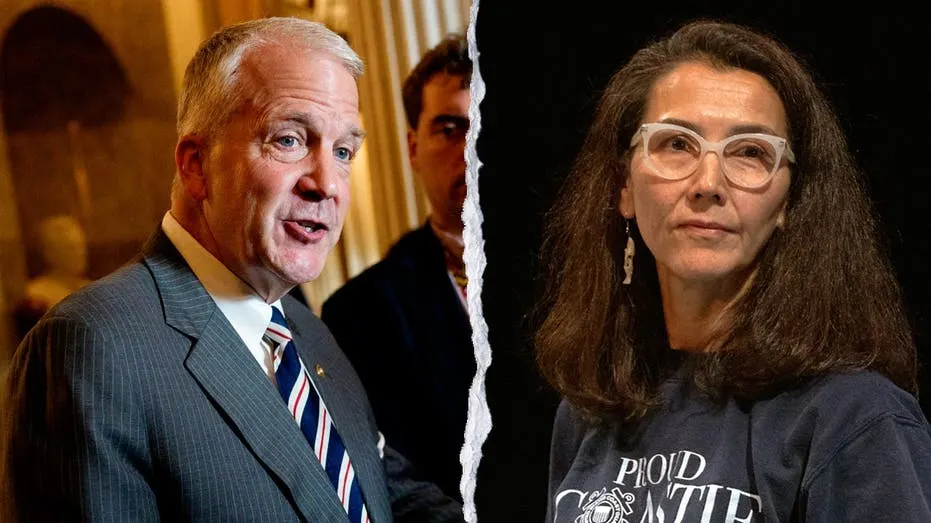
A New York Times investigation has reported that operatives linked to Democratic Senate candidate Mary Peltola and the Democratic Senatorial Campaign Committee tried to recruit a second Dan Sullivan for Alaska’s Senate ballot. The report emerged after nearly one in ten registered voters had already voted, raising concerns that some may not have known about a possible same-name candidate and the alleged effort to cause confusion. Peltola’s campaign and the committee deny involvement.
Dan J. Sullivan qualified for the four-candidate general election after receiving 2.5% in the primary; his campaign materials do not state a party affiliation or policy positions. The Justice Department has sued to delay certification if incumbent Dan Sullivan loses, citing possible voter confusion, though it is unclear whether the case will succeed. Alaska’s ranked-choice voting system asks voters to rank candidates, and critics worry that some voters may leave one or both Sullivans unranked.
In short
- Report alleges Democrats sought a second Dan Sullivan for Alaska’s ballot.
- About 58,000 voters may have voted before the report emerged.
- Peltola’s campaign and the DSCC deny involvement.
Steelman: both sides, in good faith
The strongest fair case each way — we don't pick a winner.
The case for
If the reported recruitment effort occurred, seeking a same-name candidate could have been intended to draw attention to the risk of voter confusion and protect the fairness of the ballot, particularly under ranked-choice voting. The Justice Department’s effort to delay certification can be defended as a precaution to ensure voters’ choices are understood before results are finalised.
The case against
Recruiting a candidate with the incumbent’s name, if intended to confuse voters, could undermine informed choice and weaken confidence in an election, especially after many Alaskans had already voted. Delaying certification could also disrupt the process and discount ballots cast under the rules; the campaigns deny involvement, and the report alone does not establish who was responsible or their intent.
Explained simply
Alaska elects one of its two US senators in this race. Incumbent Dan Sullivan is seeking re-election, while Mary Peltola, a Democrat who has served in the US House, is challenging him; the general election also includes two other candidates.
Alaska uses ranked-choice voting: voters can rank candidates in order of preference, and votes are counted in rounds until a candidate wins. Dan J. Sullivan, who shares the incumbent’s name, qualified for the ballot after the primary, but his campaign materials do not state a party or policy positions.
The two Sullivans’ names may make it harder for some voters to identify which candidate they mean to rank. The dispute matters because votes may be affected and because the state’s election certification could face a legal challenge.