Culture news and discussion on TalkFuse.
Reported lead of Obsidian’s new Fallout game wants you to feel a “sense of agony” when playing an RPG, rather than being an all-powerful god-splatterer
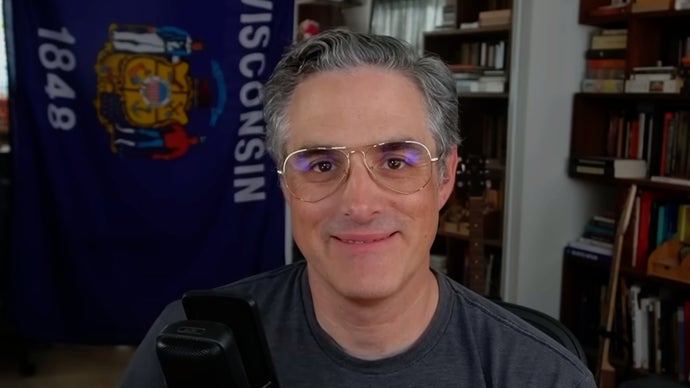
Josh Sawyer, director of Fallout: New Vegas and reportedly the new lead on Obsidian's upcoming Fallout game, has outlined a design philosophy that favours player "agony" over unchecked power fantasy. Speaking to The Examined Game, Sawyer argued that good RPGs should sometimes deny players the ability to simply overpower every obstacle, instead forcing difficult, imperfect choices that carry real consequences. This positions Obsidian's approach in contrast to Bethesda's, potentially shaping how the two studios' rival Fallout projects diverge going forward.
Sawyer illustrated his point using Eothas, an unstoppable godlike figure from Pillars of Eternity 2: Deadfire, whom players can influence but never defeat outright. He contrasted this with Bethesda's more permissive, "say yes to the player" ethos, as described by Todd Howard in a 2024 BAFTA talk, which lets players pursue almost any curiosity and feel triumphant. The article notes this split has precedent: Fallout 3 and Fallout 4 lean towards player-empowering, good-versus-evil narratives, while New Vegas offered more nuanced, consequence-heavy choices, though Bethesda titles like Oblivion have occasionally limited player agency too.
In short
- Josh Sawyer reportedly leads Obsidian's new Fallout game.
- He wants players to feel "agony" over difficult choices, not godlike power.
- This echoes New Vegas's approach versus Bethesda's more player-empowering style.
Steelman: both sides, in good faith
The strongest fair case each way — we don't pick a winner.
The case for
Meaningful player choice requires genuine constraints and real consequences. When players can ultimately overcome any obstacle through sufficient power accumulation, their decisions lose substance—there is no actual dilemma. Genuinely valuable RPG experiences come from being forced into difficult situations where victory is uncertain and compromises are necessary, creating emotional resonance precisely because the outcomes matter. This is not about punishment but about ensuring that player agency feels consequential rather than theatrical.
The case against
RPGs serve diverse audiences seeking different experiences, and the player empowerment fantasy is a legitimate and valuable one. Not all players seek agony or stress in their entertainment; many engage with games to relax, explore, and feel capable and successful. Bethesda's philosophy respects player autonomy by permitting them to pursue their own curiosities and fantasies rather than forcing predetermined difficulty upon them. Both design approaches have proven commercially successful because they appeal to different player preferences, and neither is objectively superior.
Explained simply
Josh Sawyer directed Fallout: New Vegas and is reportedly leading Obsidian Entertainment's upcoming Fallout game. He has outlined a design philosophy where challenging players with difficult choices should take priority over letting them become all-powerful.
Sawyer's approach emphasises putting players in situations where they cannot simply overcome all obstacles, instead forcing them to make morally difficult decisions with real consequences. This contrasts with Bethesda's design ethos, which owns the Fallout franchise and has traditionally enabled players to pursue almost any path and feel triumphant.
Fallout is now being developed separately by two studios with different creative visions: Bethesda, which owns the franchise, and Obsidian. Bethesda's recent games have leant towards clear moral choices and player empowerment, whilst Obsidian's New Vegas offered more complex, consequence-heavy gameplay, and Sawyer's philosophy suggests his upcoming project may continue that approach.
Art Culture Entertainment Gaming Trending Weird & Viral