Reporter caught in violent Paris protests recalls how ‘all of a sudden, it exploded’ after peaceful march
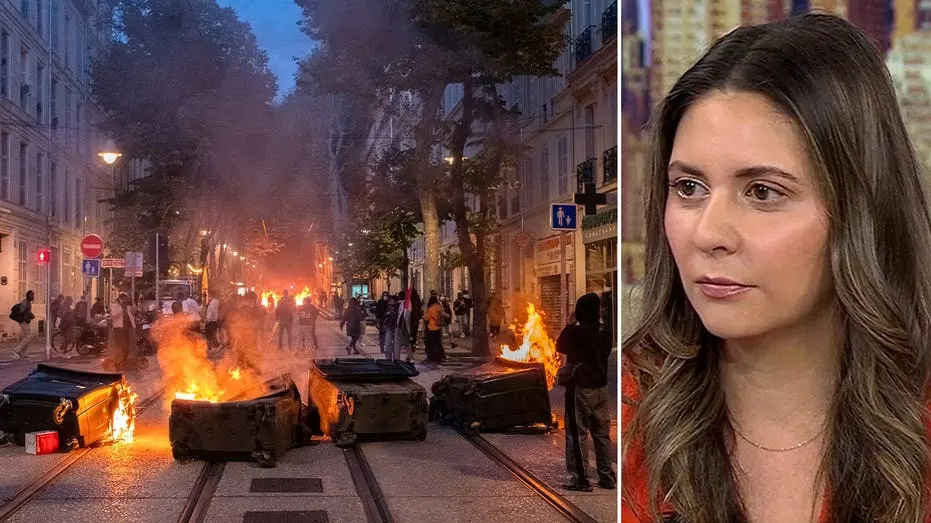
A New York Post reporter described how a peaceful march in Paris involving more than 100,000 people turned violent after dark, saying the change happened suddenly near the march’s endpoint. The account highlights how a demonstration that began around education concerns broadened into a larger expression of public frustration.
Gabrielle Fahmy said the march had remained peaceful for several hours before masked newcomers arrived, some by metro, and tensions rose. She said many appeared to be in their late teens or early twenties and suggested some may have belonged to far-left groups; protesters cited living costs, jobs, low wages, food affordability and opposition to President Emmanuel Macron, while Palestinian flags were also visible.
In short
- A Paris march of more than 100,000 turned violent after dark.
- A reporter said masked newcomers appeared near its endpoint.
- Demonstrators voiced broad economic and political grievances.
Explained simply
Paris has a long history of large street demonstrations, which can bring together people with different grievances. A march may begin around one issue and draw in others who want to protest about the cost of living, work or the government.
Emmanuel Macron is France’s president, and his government has faced protests over its policies and the pressures on household budgets. Demonstrations can also include political groups with different aims, so the people attending may not share one set of demands or views.
Palestinian flags at a march reflect wider international concerns, alongside domestic issues. Understanding who is present and what they are protesting about helps explain why a gathering can become politically broader than its original focus.