Business news and discussion on TalkFuse.
Reporter’s Notebook: Inside the Senate showdown over Trump’s push to scrap August recess
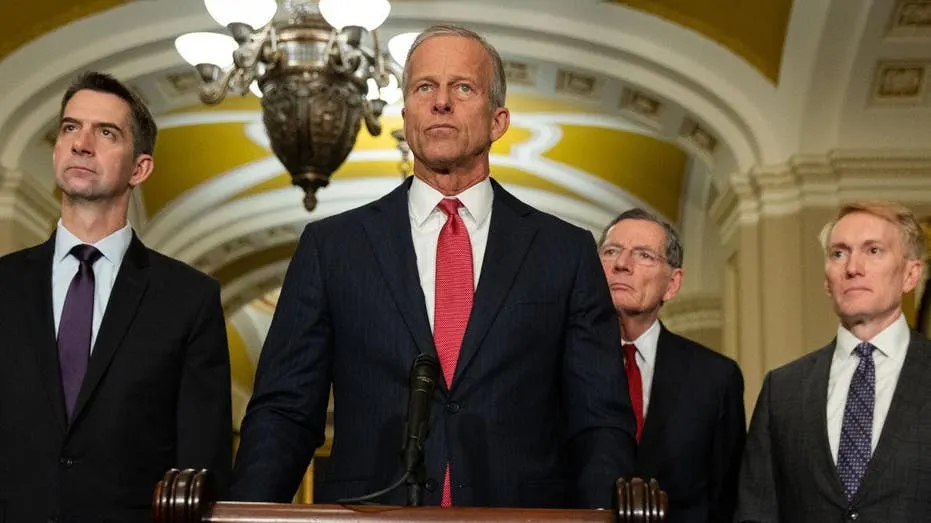
President Trump is pressing the US Senate to cancel its customary August recess and remain in session until it passes the SAVE America Act, a bill requiring proof of citizenship to vote. The push has triggered a political standoff, with Republicans weighing whether to disrupt the long-standing summer schedule to satisfy the president's demand, while Democrats resist the legislation.
The Senate was due to break from the end of that week until early September, as is customary practice. Fox News' chief congressional correspondent reported on the escalating tension on Capitol Hill as senators debated whether to forgo their break, with the outcome remaining unresolved as of the report.
In short
- Trump wants Senate to skip August recess over voting bill
- SAVE America Act would require proof of citizenship to vote
- Standoff between Republicans and Democrats on Capitol Hill
Steelman: both sides, in good faith
The strongest fair case each way — we don't pick a winner.
The case for
The case for prioritising the SAVE America Act rests on election security concerns that supporters view as legitimate and non-partisan. Requiring proof of citizenship to vote mirrors identity verification practices in everyday contexts and reflects reasonable safeguards that several states have already implemented successfully. From this perspective, electoral integrity depends on public confidence that only eligible voters participate, and the Senate's scheduling flexibility should accommodate the president's legislative priority on a matter his supporters consider fundamental to fair democratic processes.
The case against
The case for maintaining the August recess emphasises both practical governance and institutional principle. Senators require regular time in their constituencies to engage with constituents and understand their concerns—a democratic necessity that supports legislative accountability. Beyond this, critics argue that disrupting long-established institutional practices when facing executive pressure undermines legislative independence and separation of powers. Additionally, they contend that citizenship is already verified through existing voter registration processes, and that new ID requirements may create barriers for eligible voters, making the legislative benefit insufficient to justify the institutional cost of abandoning established norms.
Explained simply
The US Senate is one of two parts of Congress, alongside the House of Representatives. Its members are elected to six-year terms, and the chamber sets its own working calendar, including a customary break in August.
The SAVE America Act would require people to provide proof of US citizenship to register to vote in federal elections. Supporters say this would strengthen election safeguards; opponents argue the requirement could make registration harder for eligible voters. Federal law already bars non-citizens from voting in those elections.
The dispute involves President Donald Trump and Republican senators, who hold the Senate majority, while Democrats oppose the bill. It matters because the Senate’s schedule affects how much time lawmakers have to consider legislation, and the bill could change what documents people need to register to vote.
Business Elections Government Markets Politics World