Politics news and discussion on TalkFuse.
Republicans can win the House in 2026 through Puerto Rican voters
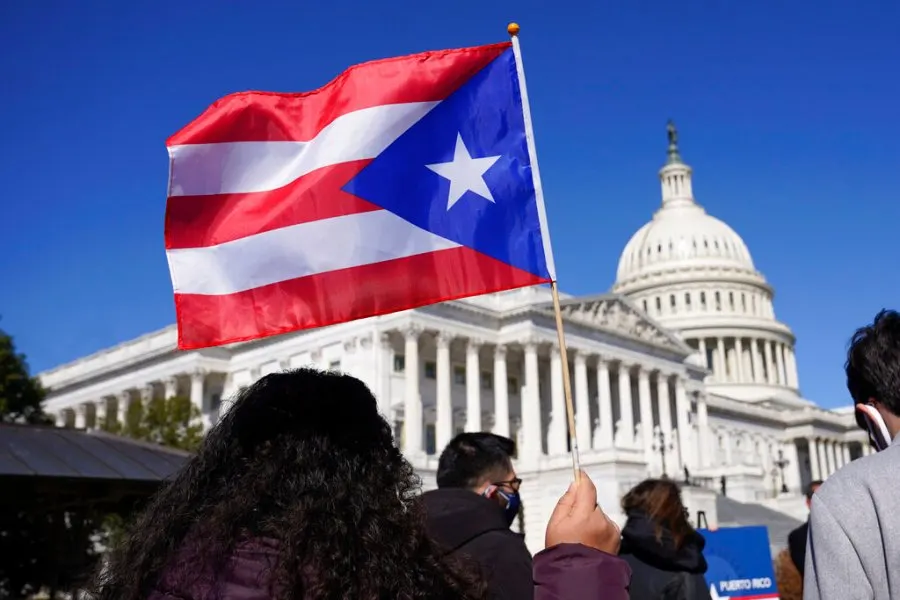
The article argues that Republicans could improve their chances of retaining or winning the US House in 2026 by appealing to Puerto Rican voters, particularly those living in mainland states with competitive congressional districts. It presents dissatisfaction with Puerto Rico’s electricity system as an opportunity for the party to demonstrate practical commitment on an issue that affects voters and their families.
It cites a Quantus Insights poll of 512 registered Puerto Rican voters in Florida, New York, New Jersey and Pennsylvania. The survey found that 95% rated Puerto Rico’s electricity system poor or fair, while 50% said Republican-led reform of the grid would make them more likely to support the GOP; the piece treats these findings as evidence of potentially shifting political loyalties.
In short
- The piece sees power-grid reform as a Republican opportunity.
- Half of surveyed voters said GOP-led reform could influence support.
- Puerto Rican voters may matter in competitive House districts.
Steelman: both sides, in good faith
The strongest fair case each way — we don't pick a winner.
The case for
Republicans can legitimately compete for Puerto Rican voters in swing districts by addressing electricity infrastructure, a material issue affecting daily life and family finances. The polling suggests substantial dissatisfaction with the status quo and openness to alternative approaches, indicating potential for policy-based outreach to shift electoral outcomes. Engaging constituencies on specific issues they prioritise is standard democratic competition and represents respectful recognition of voters' concerns.
The case against
The strategy risks appearing opportunistic—exploiting a humanitarian crisis for electoral gain rather than demonstrating genuine long-term commitment. Puerto Rican voters may reasonably be sceptical of promises without historical backing or guaranteed resources, particularly given contested Republican positions on Puerto Rico's recovery and federal support. Without credible evidence of follow-through on actual infrastructure investment, this approach risks instrumentalising voters' material hardship rather than addressing systemic problems.
Explained simply
Puerto Rico is a US territory in the Caribbean, and people born there are US citizens. They can vote in US presidential elections if they live in a state, and can vote for members of Congress there; residents of Puerto Rico itself do not vote in presidential elections and have no voting member of the House.
Many Puerto Ricans live in mainland states including Florida, New York, New Jersey and Pennsylvania, where some congressional races are closely contested. Puerto Rico’s electricity system has faced persistent problems, including outages, making it an issue for residents there and for families on the mainland who have ties to the island.
The two main US parties, Republicans and Democrats, compete for support in House elections held every two years. Views within Puerto Rican communities vary, so polling about support for a particular policy can indicate possible political interest but does not establish how people will vote.