Business news and discussion on TalkFuse.
Republicans should ask whether the 2026 election was a replay of Trump’s 2016 victory
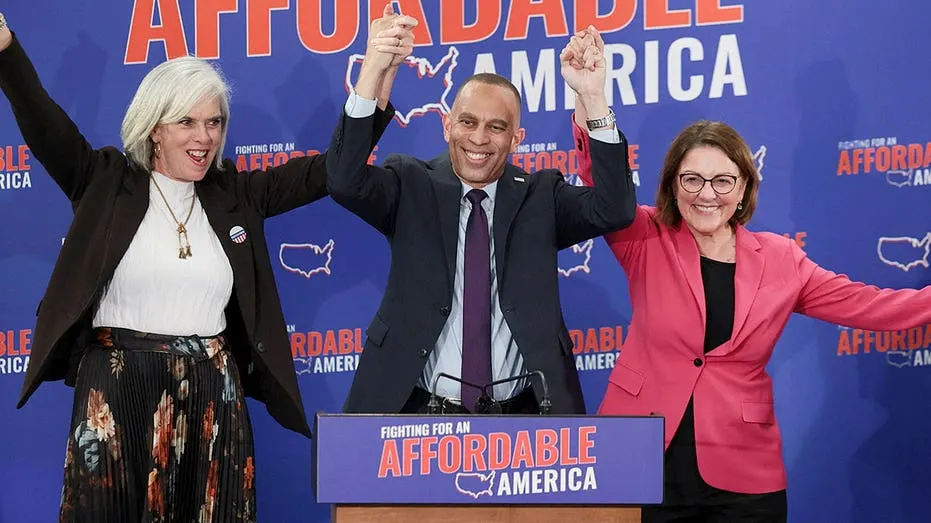
The article argues that Republicans should not assume their 2026 midterm defeat reflects a broad shift towards left-wing politics. Instead, the author suggests voters may have reacted as they did in 2016: rejecting politicians who seemed dismissive of their concerns and failing to make daily life feel more affordable.
The piece says voters opposed parts of Donald Trump’s agenda, including tariffs, immigration enforcement and military action against Iran, and wanted Congress to check presidential power. It also notes that about one in five Democratic voters in the AP Voter Poll viewed their own party unfavourably. The author’s central point is that many voters may have punished Republicans for not delivering on promises made in 2024, rather than embracing Democrats’ ideology.
In short
- Republicans should examine why voters felt promises went unmet.
- Cost of living and other practical concerns shaped the result.
- A vote against Republicans does not necessarily signal ideological conversion.
Steelman: both sides, in good faith
The strongest fair case each way — we don't pick a winner.
The case for
Republicans can reasonably argue that the defeat reflects frustration with unmet promises and the cost of living, rather than a durable turn towards left-wing politics. Voters may have rejected policies such as tariffs or military action while still wanting a government that responds to everyday concerns, and the reported dissatisfaction among some Democratic voters suggests their support need not signal strong enthusiasm for that party’s agenda.
The case against
The result can also be read as evidence that voters rejected central parts of the Republican programme and wanted Congress to constrain presidential power, which may indicate more than disappointment over delivery. Opposition to immigration enforcement, tariffs and military action, alongside support for Democrats despite reservations about their own party, could point to a meaningful shift in political preferences rather than a replay of 2016.
Explained simply
Midterm elections choose members of Congress halfway through a president’s term. Congress makes federal laws and can investigate the president, while the president directs the executive branch and sets policy priorities. Voters may use midterms to show whether they approve of the president’s actions or want Congress to limit them.
Donald Trump won the presidency in 2016 and again in 2024 as a Republican. His policies have included tariffs on imports, stricter immigration enforcement and military action involving Iran; Democrats have often opposed these measures, while views among voters in both parties vary. The Republican Party and Democratic Party are the two main political parties in the United States.
The question raised by the article is whether voters who backed Trump or Republicans expected changes that would make everyday life more affordable and felt those promises had not been met. It also points to dissatisfaction among some Democratic voters with their own party, suggesting that a vote against one party does not necessarily mean strong support for the other.
Business Economy Elections Politics World