Technology news and discussion on TalkFuse.
Resident Evil creator Shinji Mikami wishes generative AI would vanish and fears it’ll cost devs jobs
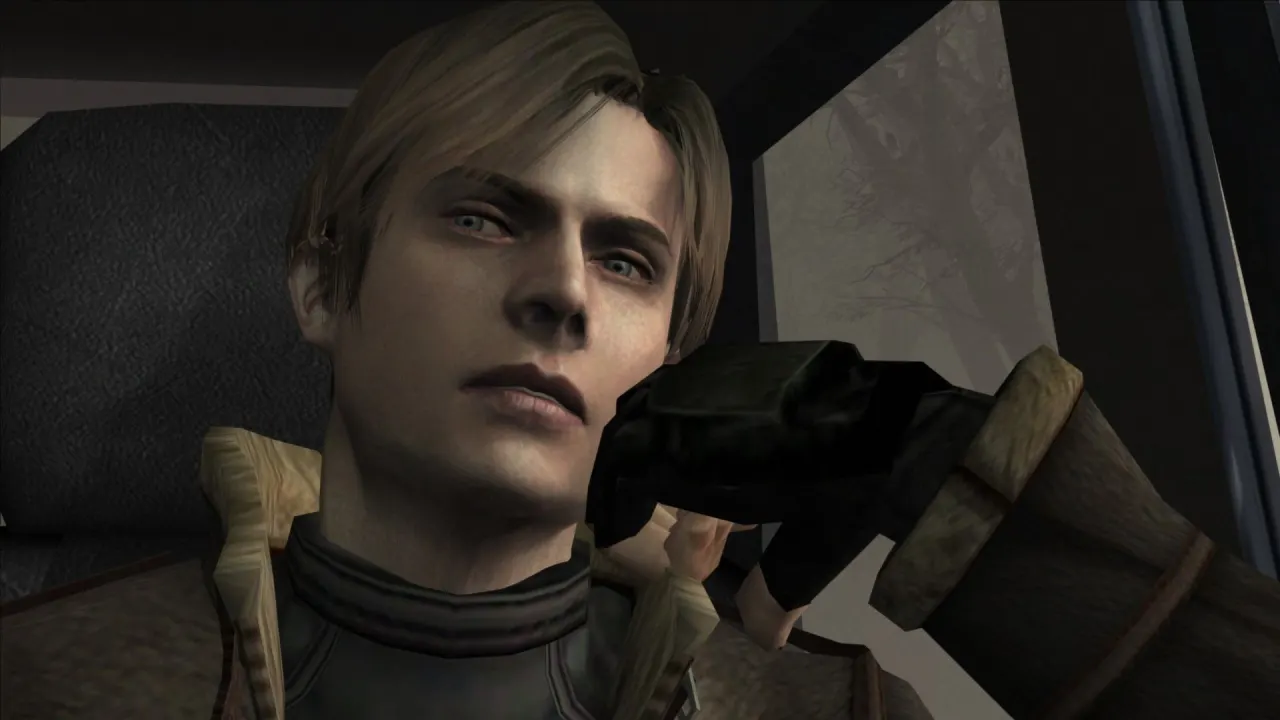
Resident Evil creator Shinji Mikami says he sometimes wishes generative AI would disappear from games and the wider world. He also says he is experimenting with it, arguing that careful use could improve a game while keeping its budget steady and streamlining production.
Mikami’s new company, Unbound Studio, remains largely human-driven, but he fears developers could lose jobs to AI within five or ten years. His comments reflect a wider tension in game development: the technology is already used for tasks such as quality assurance and debugging, even as its impact on creative work and employment remains a concern.
In short
- Mikami wishes generative AI would disappear.
- He is experimenting with AI to improve production.
- He fears developers may lose jobs within five to ten years.
Steelman: both sides, in good faith
The strongest fair case each way — we don't pick a winner.
The case for
Generative AI could help studios streamline production, handle routine tasks such as debugging and quality assurance, and make limited budgets go further. Used carefully under human direction, it may let developers spend more time on creative work and help smaller teams make better games.
The case against
Even if AI improves efficiency, studios may use it to reduce staffing, putting developers’ livelihoods and career pathways at risk. Its expanding role in creative work may also weaken the human contribution that gives games their distinctive character, so caution is warranted while its effects remain uncertain.
Explained simply
Shinji Mikami is a Japanese game designer best known for creating Resident Evil, a horror series that helped shape modern survival games. He now leads Unbound Studio, a new company developing games.
Generative AI can create or alter text, images and other material from prompts, and game studios are exploring ways to use it in production. Some uses, such as quality checks and debugging, may help teams work more efficiently, while questions remain about its effect on creative work and jobs.
Mikami’s comments reflect that debate: he is trying AI tools while expressing concern that developers could lose work as the technology spreads. How studios balance efficiency, creative control and employment is likely to matter to people who make games and those who play them.
AI Business Entertainment Gaming Horror Technology