Residents’ fury as travellers smash through locks to set up illegal encampment of more than 20 caravans on popular recreational park
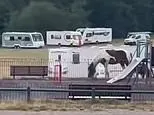
Residents in a popular recreational park have reacted with anger after a group of travellers reportedly smashed through security locks to establish an illegal encampment of more than 20 caravans. The incident has sparked concern among locals about safety, access to the park and the lack of swift action to remove the unauthorised site, reflecting a recurring source of tension between traveller communities and residents at public recreational sites in Britain.
The article, published by the Daily Mail, describes locals' fury at the scale of the encampment and the manner in which access barriers were forced open to allow the caravans onto the site. Full details of the location, the authorities' response and any enforcement action were not fully specified in the available text, though such incidents typically prompt calls for local councils and police to intervene under trespass and land protection laws.
- Travellers broke locks to occupy a park with 20+ caravans.
- Residents furious over illegal encampment and lack of action.
- Incident highlights ongoing traveller-resident tensions at public sites.
New here? Start with this
Residents on a popular UK recreational park have expressed anger after a group described as travellers is reported to have broken through security locks to move more than 20 caravans onto the site without permission. Recreational parks like this are often shared or council-managed spaces used by local residents for leisure, and access is usually controlled to keep the site secure and available to those who use it legitimately.
Disputes of this kind, where travellers set up encampments on land without the owner's consent, are a recurring flashpoint in Britain. They typically raise questions about trespass law, who is responsible for removing an unauthorised encampment, and how quickly councils or police can act, since eviction usually requires a legal process rather than immediate removal.
The story matters because it touches on wider, long-running tensions between traveller communities and settled residents over land use, security and local authorities' handling of illegal encampments, an issue that regularly features in regional and national news coverage across the UK.
Both sides, in good faith
The strongest fair case each way — we don't pick a winner.
The case for
Advocates sympathetic to Traveller communities would point to the chronic shortage of authorised transit and stopping sites across Britain, arguing that this systemic failure, rather than any inherent disregard for the law, leaves some families with nowhere lawful to stop. They would note that a nomadic way of life is recognised to some degree under equality law, and that forceful, hasty eviction without regard to welfare needs such as children's schooling, healthcare or sanitation risks compounding hardship for vulnerable people. They might also caution against attributing criminal intent to an entire community based on one group's actions, urging measured negotiation and greater provision of legal sites over confrontation.
The case against
Residents and their advocates would argue that deliberately breaking security locks to force entry onto managed recreational land is unambiguous criminal damage and trespass that cannot be excused by wider housing debates, and that prompt enforcement is essential to uphold the rule of law and deter repeat occupations. They would highlight the loss of a well-used public amenity, potential safety and environmental concerns, and the clean-up and legal costs ultimately borne by local taxpayers. They might also stress fairness, noting that other groups wishing to use shared public land are expected to seek proper permission, and that slow action undermines public confidence in authorities' ability to protect communal spaces.