Budget energy payment offers little relief to struggling households
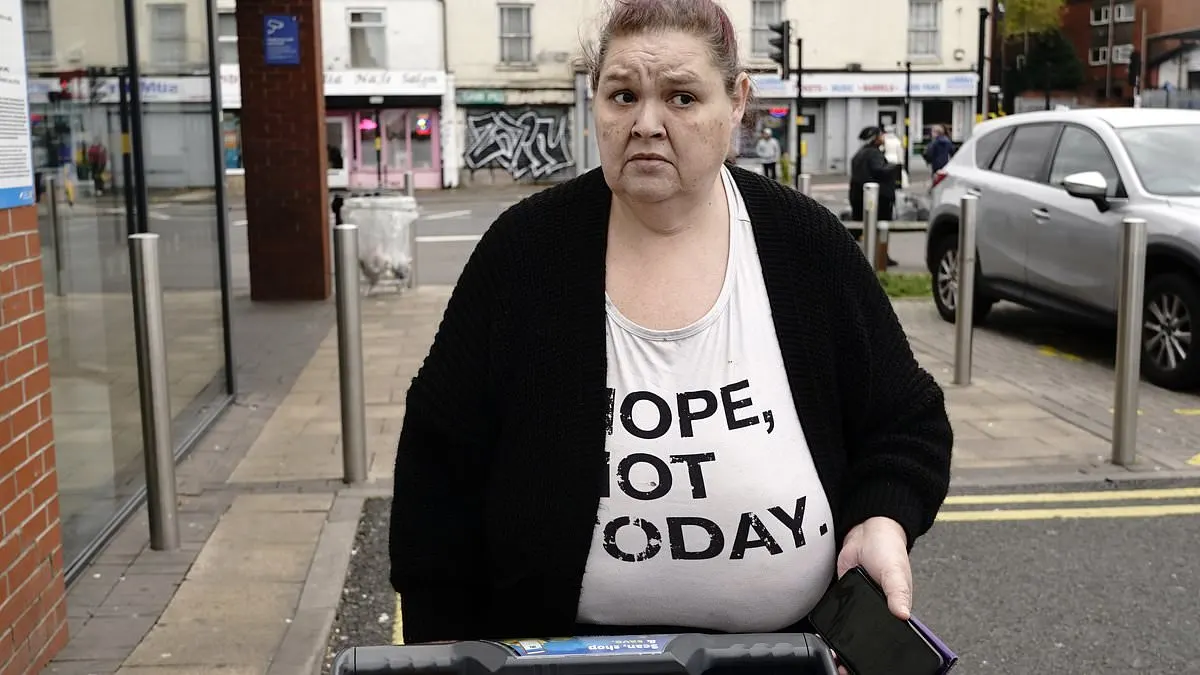
Residents of Birmingham’s James Turner Street, made famous by the 2014 documentary *Benefits Street*, and the deprived Essex town of Jaywick said the Budget’s support would do little to ease their financial pressures. Their accounts highlight concerns about the cost of living, insecure or insufficient work, and whether welfare and employment policies are helping people effectively.
The Budget promises a £100 energy payment from January for up to 20 million eligible households in England, including homes in council tax bands A to D. One working resident said her £160 monthly electricity bill would make the payment last less than a month; others described borrowing money, limiting heating or cutting everyday costs. The article says the welfare bill was £353 billion this year, up from £314.9 billion in 2024–25, and is forecast to reach £431 billion a year by 2032.
In short
- Residents say the £100 energy payment will offer limited help.
- Workers and claimants described pressure from bills and living costs.
- Welfare spending is forecast to reach £431 billion a year by 2032.
Steelman: both sides, in good faith
The strongest fair case each way — we don't pick a winner.
The case for
The £100 payment offers immediate help with energy costs to a large number of households, including some on modest incomes who may not qualify for means-tested support. A one-off contribution cannot resolve wider hardship, but it can help cover bills while the government manages limited public funds and considers longer-term pressures on welfare spending.
The case against
For households facing high bills, insecure work and other rising costs, £100 may cover only a small part of their energy use and provide little lasting relief. The accounts in the story suggest that support based on broad eligibility may not reach people in proportion to their need, strengthening the case for more substantial or better-targeted help alongside effective employment and welfare policies.
Explained simply
The cost of living includes the everyday costs of essentials such as electricity, heating and food. When bills rise faster than household income, people may have to borrow, use less energy or cut other spending. Insecure or low-paid work can make it harder to manage these costs.
The Budget is the Government’s plan for public spending, taxes and financial support. It includes a £100 energy payment for eligible households in England, while welfare spending covers benefits and other support for people who meet the rules. The scale and future cost of welfare are part of wider questions about how best to support households and help people into work.
Read the full article at the source →
Originally published by Daily Mail as “Residents of Britain’s Benefits Street react to Burnham’s Budget… and they are STILL not happy despite £353billion splurge on welfare this year”.