Households worldwide stock emergency supplies for disasters and power cuts
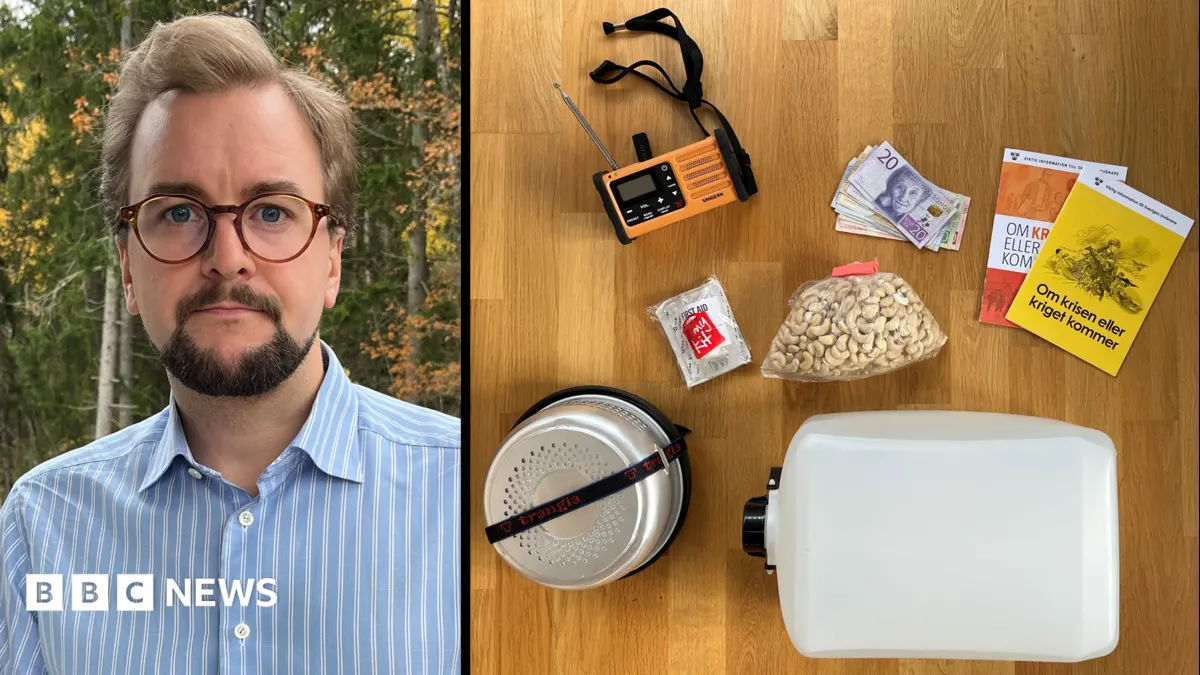
Emergency supplies, promoted through government guidance in countries such as Sweden and Japan, are part of ordinary household planning for some people, while recent UK advice has prompted a rise in sales of items such as tinned food, radios and torches. People featured in the article prepare for risks including extreme weather, earthquakes and power cuts, describing their supplies as a practical precaution rather than a response to panic.
Their preparations vary: Stockholm resident Andreas Wennerberg keeps a hand-crank radio, 10 litres of water and about €200 in cash after receiving Sweden’s emergency booklet. In Maryland, Dan C has spent around $6,000 and keeps three months of food for his family of four, alongside 150 gallons of water and off-grid equipment. Tokyo resident Ayumi T maintains an emergency bag with clothing, hygiene supplies and a portable toilet, checking it with her family each year.
In short
- Government advice has prompted some households to prepare for emergencies.
- Supplies range from water and radios to months of food.
- People describe preparation as a practical responsibility, not panic.
Steelman: both sides, in good faith
The strongest fair case each way — we don't pick a winner.
The case for
Keeping emergency supplies is a sensible form of household preparedness: storms, earthquakes and power cuts can interrupt food, water and communications, and basic provisions may help families manage until services return. Government guidance and the varied, practical preparations described suggest people can plan calmly, tailor supplies to local risks and reduce pressure on emergency services.
The case against
Extensive stockpiling can be costly, take up space and tie up money in supplies that may never be needed, while some items can expire or require upkeep. Critics may also argue that very large private reserves are less useful than proportionate preparation and reliable public response, and that alarming advice or coverage can encourage unnecessary buying.
Explained simply
Emergency supplies are items kept at home or in a bag for use when everyday services are disrupted. Disasters such as storms and earthquakes can make shops hard to reach, while power cuts may stop appliances and communications from working.
The people involved include households, which decide what they need, and public authorities, which issue guidance on preparing for emergencies. Advice varies between countries, and households’ plans range from a few basic supplies to larger stocks of food, water and equipment.
These preparations matter because they can help people manage until services return or help is available. They also raise practical questions about what to store, how much space and money to set aside, and how often to check supplies.
Read the full article at the source →
Originally published by BBC World as “Responsible or panicked? Meet the people around the world already preparing for crisis”.