Retired US generals call on Pentagon to cancel ‘barbaric’ execution livestream
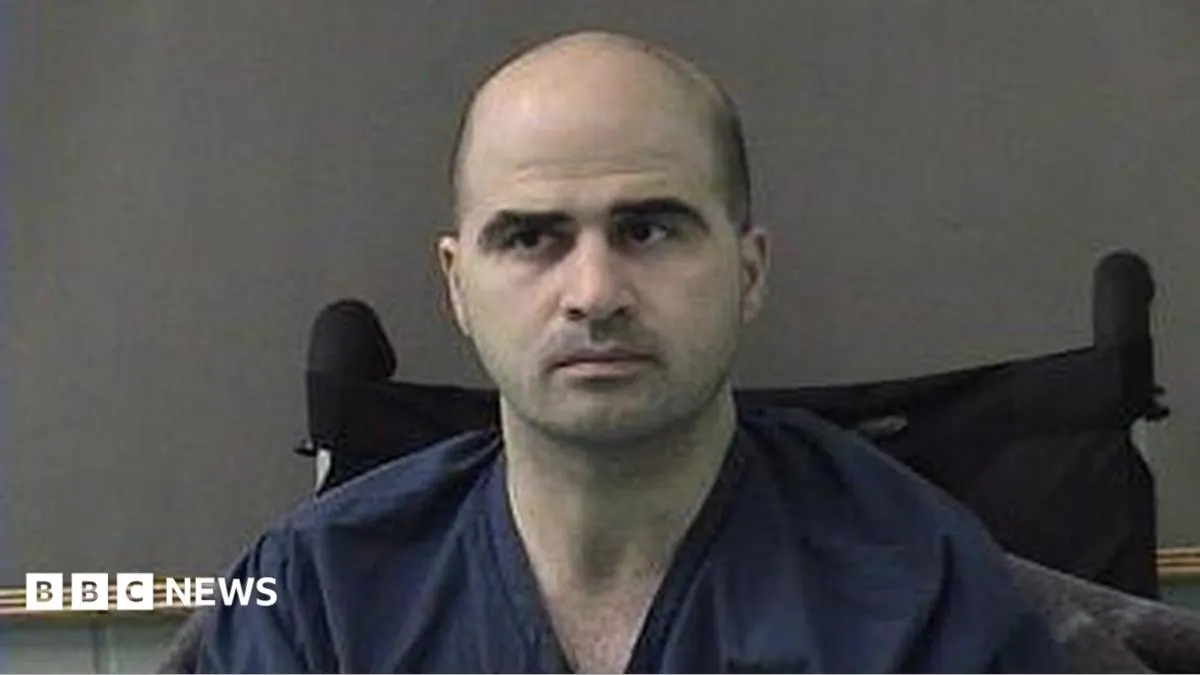
Seventy-two retired US military leaders are urging the government to cancel plans to livestream Nidal Hasan’s execution by firing squad, calling the proposal an abuse of authority. Their letter says broadcasting the execution could violate constitutional protections and turn a solemn punishment into a spectacle.
The Pentagon announced the plan for 3 December, but President Donald Trump had not made a final decision as of Tuesday, and some officials were reportedly leaning against it. The signatories include 45 generals, 12 admirals and former military lawyers; they say they do not oppose the death penalty itself. Hasan killed 13 unarmed soldiers at Fort Hood in 2009, in the deadliest non-combat attack on a US military base.
- 72 retired military leaders oppose the livestream.
- Hasan’s execution is planned for 3 December.
- Trump has not made a final decision.
New here? Start with this
Nidal Hasan was a US Army psychiatrist who killed 13 unarmed soldiers at Fort Hood, Texas, in 2009. The attack was the deadliest non-combat killing at a US military base.
Hasan was sentenced to death, and firing squad is among the methods available for military executions in the United States. The Pentagon is part of the federal government responsible for the armed forces, while the president has a role in decisions about carrying out a military death sentence.
The debate over broadcasting an execution touches on constitutional protections, the authority of government and the treatment of people facing the death penalty. The retired military leaders involved say their objection concerns the proposed broadcast, not capital punishment itself.
Both sides, in good faith
The strongest fair case each way — we don't pick a winner.
The case for
The retired leaders argue that livestreaming an execution would exceed proper government authority and risk violating constitutional protections. Even where the death penalty is lawful, they say, carrying it out should remain a solemn, tightly controlled punishment rather than become a public spectacle that could undermine the dignity of the process.
The case against
Supporters of the plan could argue that a livestream would make the state’s use of its most severe punishment visible and accountable, rather than leaving it hidden from public scrutiny. Given the gravity of Hasan’s crime and the military setting, they may see public access as a legitimate way to demonstrate that the sentence is being carried out lawfully, provided constitutional and procedural safeguards are respected.