Video games news, releases, esports and culture — all the biggest gaming stories in one place.
Retiring Valve programmer says ‘at least one’ of the studio’s beloved game modes was made in secret to avoid pushback from peers
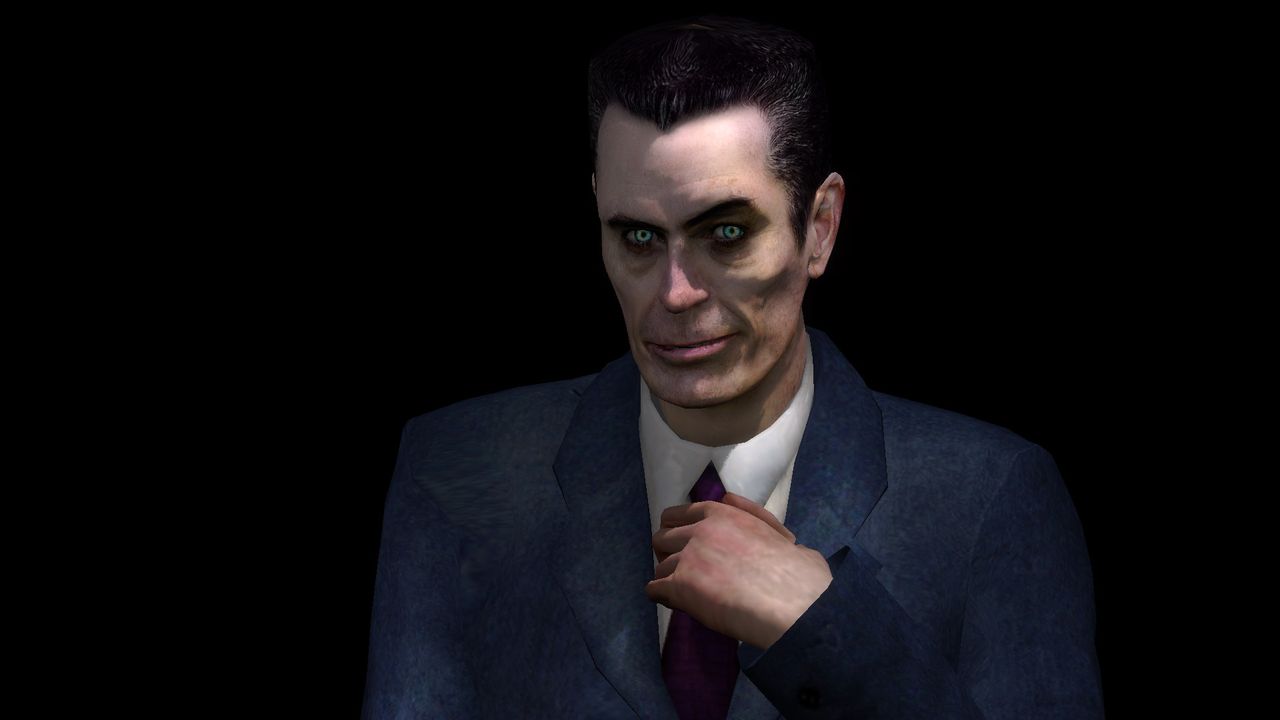
Retiring Valve programmer Christopher Green says that Half-Life 2: Deathmatch was developed semi-secretly by one programmer who believed in the mode despite anticipated resistance from colleagues. The revelation challenges the perception that Valve’s flat structure gives staff complete freedom to pursue their own ideas, suggesting that unconventional projects can still face internal pressure.
Green made the comments during Reddit AMAs marking his second and intended final retirement after a combined 16 years at Valve, where he worked on projects including the Source engines, Portal and The Orange Box. He said new employees especially could encounter pushback for ideas considered too far outside the studio’s priorities; the mode was later identified as HL2DM, whose gravity gun became a defining feature. The article also notes earlier reports that Valve’s organisational model can affect workplace dynamics and diversity.
In short
- Half-Life 2: Deathmatch was reportedly developed semi-secretly.
- Green says Valve staff can face project pushback.
- He is retiring after 16 years at Valve.
Steelman: both sides, in good faith
The strongest fair case each way — we don't pick a winner.
The case for
This revelation exposes a contradiction between Valve's stated organisational philosophy and its actual culture. That a programmer felt compelled to develop Half-Life 2: Deathmatch covertly, anticipating colleague resistance, suggests institutional gatekeeping that undermines the company's flat-structure ideals. Particularly for newer employees, the expectation of pushback for unconventional ideas creates a chilling effect on innovation and transparency, contradicting the creative freedom Valve advertises.
The case against
This story actually demonstrates Valve's system functioning successfully. The programmer pursued a conviction-driven project despite internal scepticism, and its success vindicated their vision—the mode became beloved and defining. Some institutional friction over priorities is healthy and normal; unconditional approval of every proposal would be dysfunctional. That HL2DM exists and is celebrated shows passionate individuals can still drive innovative work within Valve's structure, proving the organisation ultimately supported the idea's realisation.
Explained simply
Valve is an American video game company best known for titles including Half-Life and Portal. The studio is renowned in the gaming industry for its flat organisational structure, which is said to give employees the freedom to pursue their own project ideas without traditional management hierarchy.
Christopher Green is a programmer who spent a combined sixteen years working at Valve across two separate periods. During his recent retirement, he disclosed that one beloved game mode, Half-Life 2: Deathmatch, was developed somewhat secretly by a programmer who expected resistance from colleagues. The mode became notable for features including the gravity gun mechanic.
Green's disclosure contradicts the perception that Valve gives all employees complete freedom to pursue unconventional ideas. He noted that staff members, particularly newer employees, can face pushback when proposing ideas considered outside the studio's main priorities. The revelation is significant because Valve is widely viewed in the gaming industry as a model of progressive workplace culture.