Culture news and discussion on TalkFuse.
Revealed: ABC’s private email to Gina Rinehart about its ‘regret’ after it aired graphic assault fantasy about Australia’s richest woman
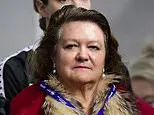
The article reports that Australia’s public broadcaster, ABC, privately expressed regret to mining billionaire Gina Rinehart after broadcasting a graphic fictional scenario involving an assault on her. The episode has prompted criticism over the treatment of a prominent public figure and ABC’s editorial judgement.
ABC’s email reportedly acknowledged Rinehart’s concerns but did not amount to a public apology. Rinehart is Australia’s richest woman and a major figure in the mining industry, making the dispute significant both for the broadcaster’s standards and for debate about satire, fiction and public scrutiny.
In short
- ABC reportedly regretted airing a graphic fictional assault scenario involving Gina Rinehart.
- The broadcaster’s private response has sparked editorial-standards criticism.
- Rinehart is Australia’s richest woman and a prominent mining figure.
Steelman: both sides, in good faith
The strongest fair case each way — we don't pick a winner.
The case for
Critics argue that the ABC, as a public broadcaster, has special responsibilities regarding content standards. Airing graphic fictional depictions of assault against a real, identifiable person represents a breach of editorial ethics that transcends legitimate satire or commentary. Such content risks genuine harm and suggests the institution failed to distinguish between critical examination of powerful figures and gratuitous depictions of violence. The ABC's private expression of regret implies acknowledgement that judgement was unsound.
The case against
Defenders of the broadcast contend that satire and provocative drama serve essential functions in critical commentary, particularly regarding wealthy and influential figures. Public figures, especially those wielding significant power, must accept sharp and uncomfortable criticism as inherent to public life. If major broadcasters self-censor to avoid offending prominent individuals, it undermines media's democratic watchdog role. The willingness to produce bold content—even regrettable content—remains necessary for robust public debate about power.
Explained simply
The ABC is Australia’s national public broadcaster, funded largely by public money and expected to follow editorial standards. It reports on public affairs and also makes comedy and satirical programmes, where fictional material can address real people and events.
Gina Rinehart is a mining businesswoman and one of Australia’s wealthiest people. Her prominence means disputes involving her can raise questions about how media organisations treat powerful public figures.
The issue sits at the boundary between satire and personal harm: fictional material may be intended as commentary, but can still cause offence or concern. It also brings attention to how the ABC handles complaints and explains its editorial decisions.