Revealed: Amateur cricket cheat ‘Clicky Ponting’ used his notorious finger clicking hoax to get THREE batsmen out in title decider
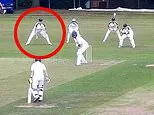
An amateur cricketer nicknamed "Clicky Ponting" has been exposed for using a finger-clicking trick to con three batsmen into believing they had edged the ball, helping his side dismiss them during a league title-deciding match. The hoax relies on the fielding side clicking their fingers to mimic the sound of bat on ball, tricking batsmen into thinking they have nicked a catch and should walk, even when no genuine edge occurred.
The full details of the match, the players involved and the club concerned were not available in the article text supplied, which consisted largely of site navigation and unrelated headlines rather than the story itself. The headline indicates the deception proved effective enough to influence the outcome of a decisive title match, raising questions about sportsmanship and the integrity of dismissals in amateur cricket.
- Cricketer "Clicky Ponting" faked finger-clicks to fool batsmen into "edges"
- Hoax reportedly claimed three wickets in a title-deciding match
- Full article details were not available for this summary
New here? Start with this
Amateur cricket is largely self-officiated, meaning batsmen are often expected to "walk" (leave the field) if they believe they have edged the ball to a fielder, even without an umpire's decision. This relies on trust between players, since there is rarely technology like Hot Spot or Snickometer available at club level to confirm whether contact was actually made.
The finger-clicking hoax exploits this trust by having fielders click their fingers at the moment the ball passes the bat, creating a sound similar to an edge. A batsman who hears the click may assume they have nicked the ball and walk off, believing they are honouring the game's conventions, even when no genuine edge took place.
This matters because it touches on the spirit of cricket, an informal code of fair play that the sport prizes highly, particularly at amateur level where there is no video review to correct mistakes. A hoax deployed in a title-deciding match raises questions about where gamesmanship ends and cheating begins, and how much trust players can place in each other during high-stakes fixtures.
Both sides, in good faith
The strongest fair case each way — we don't pick a winner.
The case for
Some will argue this is simply part of cricket's long tradition of gamesmanship and psychological cunning, no different from sledging, appealing enthusiastically, or a bowler disguising a slower ball; the batsman, after all, retains full agency to check with the umpire rather than walk. Advocates of this view value competitive ingenuity and see the onus of dismissal decisions as resting with the umpire, not the fielding side's honesty, so a batsman fooled by a clever ruse has simply been outwitted within the rules as written.
The case against
Others will insist this crosses a clear line from gamesmanship into outright deception, since it deliberately manufactures a false sensory impression to trick opponents into surrendering their wicket without any genuine dismissal occurring. Advocates of this view hold that cricket's self-regulating culture of fair play, epitomised by the batsman who walks on trust, is precisely what the sport depends on, and that exploiting that trust to decide a title match corrodes the integrity and spirit that separates cricket from more adversarial games.