Entertainment news and discussion on TalkFuse.
Review: This Iconic Rock Album Reflects Argentina’s Political Evolution
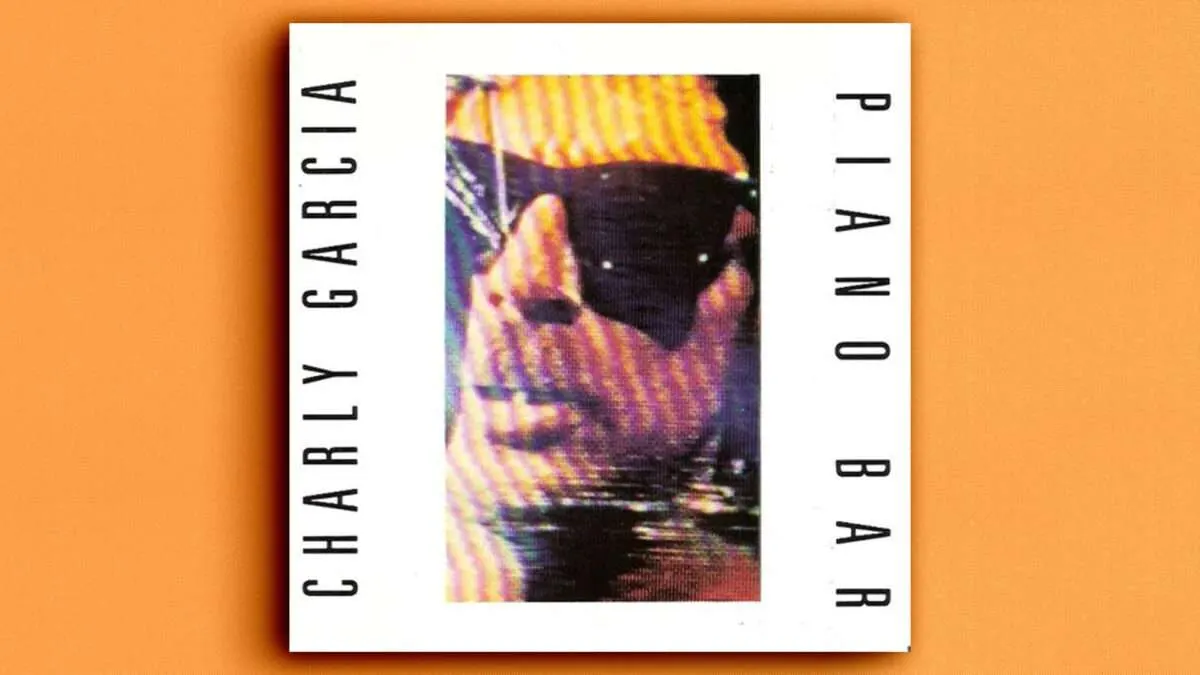
Charly García’s 1984 solo album *Piano Bar* captured the cultural release and uncertainty of Argentina’s return to democracy after a murderous military dictatorship. Its forceful piano, distorted guitars and live-band sound give freedom an unstable edge, while its irreverent lyrics question political power and allegiance.
“Rap del exilio” turns exile and revolutionary nostalgia into sardonic dance music, reflecting García’s distrust of political authority. The album’s meaning remains relevant four decades later: President Javier Milei performed “Demoliendo Hoteles” at a 2025 campaign rally, yet García’s rebel spirit resists being claimed by any political programme.
In short
- *Piano Bar* captured Argentina’s shift from dictatorship to democracy.
- García’s songs question political power and allegiance.
- Its rebellious spirit still resists political appropriation.
Steelman: both sides, in good faith
The strongest fair case each way — we don't pick a winner.
The case for
The album’s irreverent lyrics and restless sound can be heard as expressing a hard-won freedom after dictatorship, while warning against renewed political conformity. García’s refusal to be claimed by any programme suggests that his challenge to authority remains relevant across changing governments.
The case against
The album’s political meaning is open to interpretation, and its association with Argentina’s democratic transition should not make it a fixed statement about later politics. Milei’s performance of one song may reflect its lasting cultural reach rather than an endorsement of the album’s broader outlook or an attempt to claim García’s legacy.
Explained simply
Argentina was ruled by a military dictatorship from 1976 to 1983, a period marked by state violence and the disappearance of thousands of people. When civilian government returned, music and other forms of cultural expression took on new importance, though the country was still confronting the effects of repression and exile.
Charly García was an influential Argentine rock musician who released Piano Bar in 1984, soon after the return to democracy. Its energetic sound and irreverent songs drew on that moment of change and uncertainty, while questioning authority and political loyalty.
The album’s place in Argentina’s cultural memory has made its songs available to different generations and political figures. Their continued use in public life raises questions about how García’s work is interpreted and whether its rebellious spirit can be attached to any one political programme.