Rideshare Stimulator finally gets its genAI disclosure after much Saber-rattling, and it turns out the game also uses the tech for in-game music
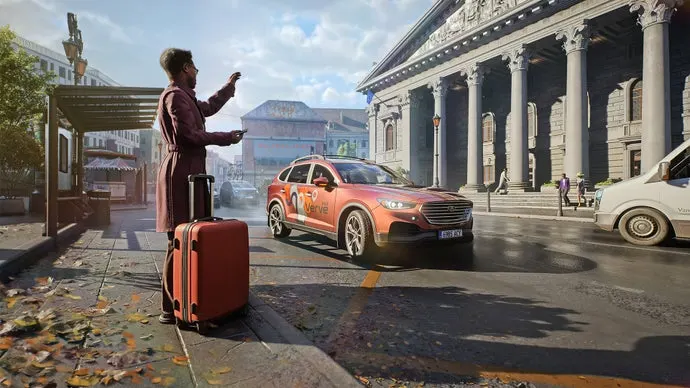
Saber Interactive has added a generative-AI disclosure to the Steam page for Rideshare Stimulator after a public dispute with former lead writer Stella Sacco. The disclosure says the game uses AI for passenger dialogue and in-game music, making the issue significant because Saber had initially denied replacing writers while acknowledging AI in an experimental mode.
Sacco says she was removed from the project so ChatGPT could be used for remaining text and planned updates; Saber rejects that account, saying the story was written by people and that no writers were replaced by AI. Saber argues AI is needed in the free-ride mode because an unlimited number of passengers would otherwise become repetitive, while CEO Matthew Karch’s remarks attacking Sacco intensified the controversy. Valve requires Steam pages to disclose generative-AI use, and the article says no disclosure appeared when the game was announced.
- Rideshare Stimulator now discloses AI dialogue and music use.
- Former writer alleges AI replaced her; Saber denies it.
- The dispute highlights Steam’s AI-disclosure requirements.
New here? Start with this
Rideshare Stimulator is a driving game in which players pick up passengers and talk with them during journeys. Its free-ride mode can generate many passenger encounters, so the developers say they use generative AI to help vary dialogue; the game also uses the technology for music.
Saber Interactive is the company making the game, and Stella Sacco was its lead writer before leaving the project. Sacco says AI took over work on the remaining text and planned updates, while Saber says people wrote the story and that no writers were replaced.
The dispute has drawn attention to how game studios use AI and explain that use to players. Steam, the digital games shop where the game is listed, requires developers to disclose generative AI use on store pages.
Both sides, in good faith
The strongest fair case each way — we don't pick a winner.
The case for
Using generative AI to create infinite passenger dialogue variations in free-ride mode solves a practical problem that human writers alone cannot address cost-effectively—players would otherwise face repetitive interactions. Saber maintains its narrative campaign was written by humans and no writers were replaced, and the company has now disclosed AI use on Steam as required. Applying AI as a tool to enhance player experience alongside human creative direction represents a reasonable approach to modern game development that doesn't necessarily constitute worker displacement.
The case against
Stella Sacco's account that she was removed specifically so ChatGPT could handle remaining story content, combined with Saber's initial denial of replacing writers whilst quietly acknowledging AI use, suggests the company deliberately obscured an ethical concern. The delayed Steam disclosure, appearing only after public pressure, indicates Saber recognised the practice would prove controversial. Beyond dialogue, applying generative AI to music without clearer attribution or worker consideration raises legitimate questions about creative displacement in an industry adopting these tools without established ethical standards or fair compensation frameworks.
AI Business Companies Entertainment Gaming Music Software Technology