Entertainment news and discussion on TalkFuse.
Riot quickly backpedals on paid old-school skins in League of Legends Classic after backlash
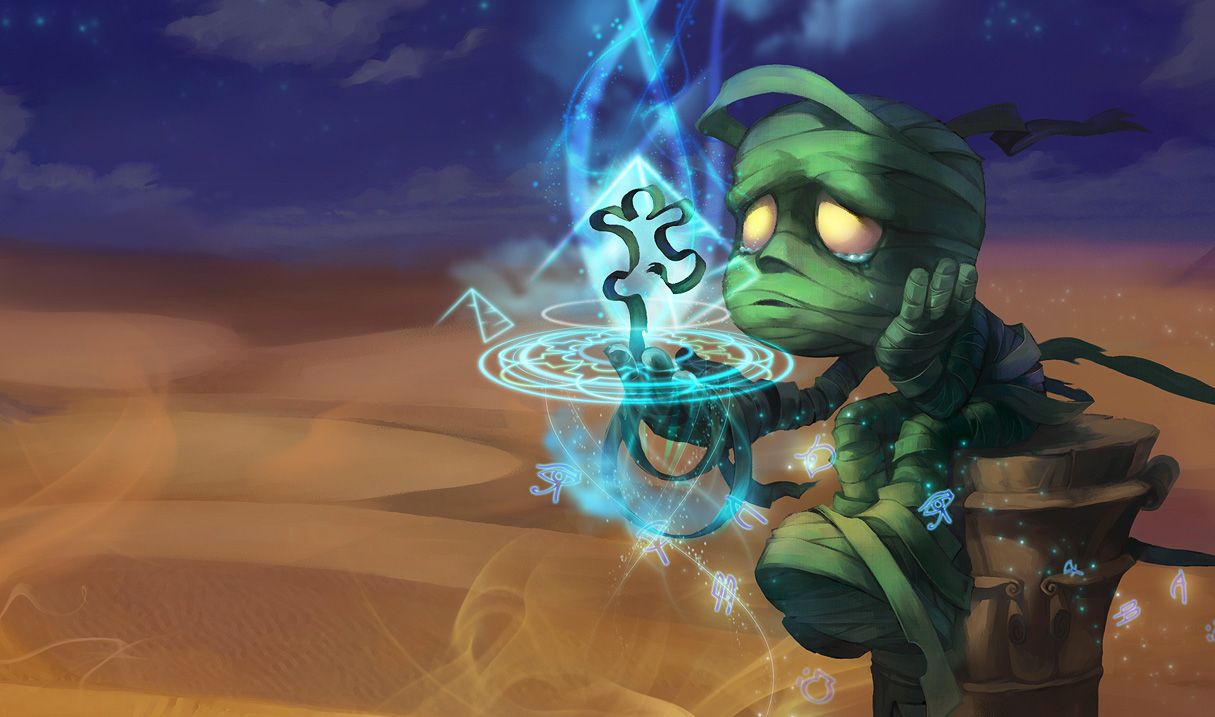
Riot Games has reversed a plan to charge or require earned tokens for old-style character skins in League of Legends Classic after players objected during public testing. The skins are now unlocked for all eligible champions and set as the default appearance, responding to concerns that a mode marketed as “Classic” should not put its original visuals behind a paywall.
League of Legends Classic remixes elements from 2013 and earlier, including older builds and champion kits, while initially retaining modern models, voice work and effects. A Reddit thread criticising the skin policy received more than 6,000 upvotes; Riot addressed the feedback within days. The company also said its mixture of historical patches reflects divergent player preferences, with players due to vote on future patches when the mode reaches the main servers.
In short
- Riot made classic skins free after player backlash.
- The change applies to League of Legends Classic’s public test version.
- Players will vote on future historical patches.
Steelman: both sides, in good faith
The strongest fair case each way — we don't pick a winner.
The case for
Cosmetics are the industry standard for creating engagement and value without affecting gameplay balance; requiring earned tokens for classic skins represented a reasonable approach that encourages player progression and investment in the mode. League of Legends Classic requires ongoing development and server costs, which cosmetic progression helps incentivise whilst preserving gameplay authenticity. The classic experience fundamentally concerns the historical game mechanics rather than cosmetic availability; making all cosmetics immediately available removes engagement incentives and undermines the sustainability of the product.
The case against
A mode explicitly marketed as 'Classic' should deliver the authentic historical experience that forms its central appeal, including the original cosmetics that were simply the default visual appearance in that era. Cosmetics are integral to how the game presented itself historically; making them conditional on token expenditure contradicts the core promise of authentically recreating the past, effectively monetising nostalgia. The fundamental appeal of a legacy mode is honouring what the game was; gating that historical visual experience behind progression systems undermines the value proposition that attracted players to the mode in the first place.
Explained simply
League of Legends is one of the world's most popular online multiplayer games, created and operated by Riot Games. Players control fantasy characters and compete in team battles, and the game has attracted tens of millions of active players since its launch in 2009.
League of Legends Classic is a new game mode that recreates how the game looked and worked in 2013 and earlier, featuring the playable characters and their abilities from that era. Riot Games had planned to charge players real money or require earned tokens to use the original appearance of these characters, which sparked significant criticism from the community who felt free access to those historical visuals should be part of a "Classic" experience.
The situation illustrates the tension between how game publishers monetise their products and what players expect from modes positioned as nostalgic recreations. It also demonstrates the influence that organised player feedback can have on major decisions at large gaming companies.