World news and discussion on TalkFuse.
Ritzy California city takes drastic measures as streets turn into unsightly RV parks
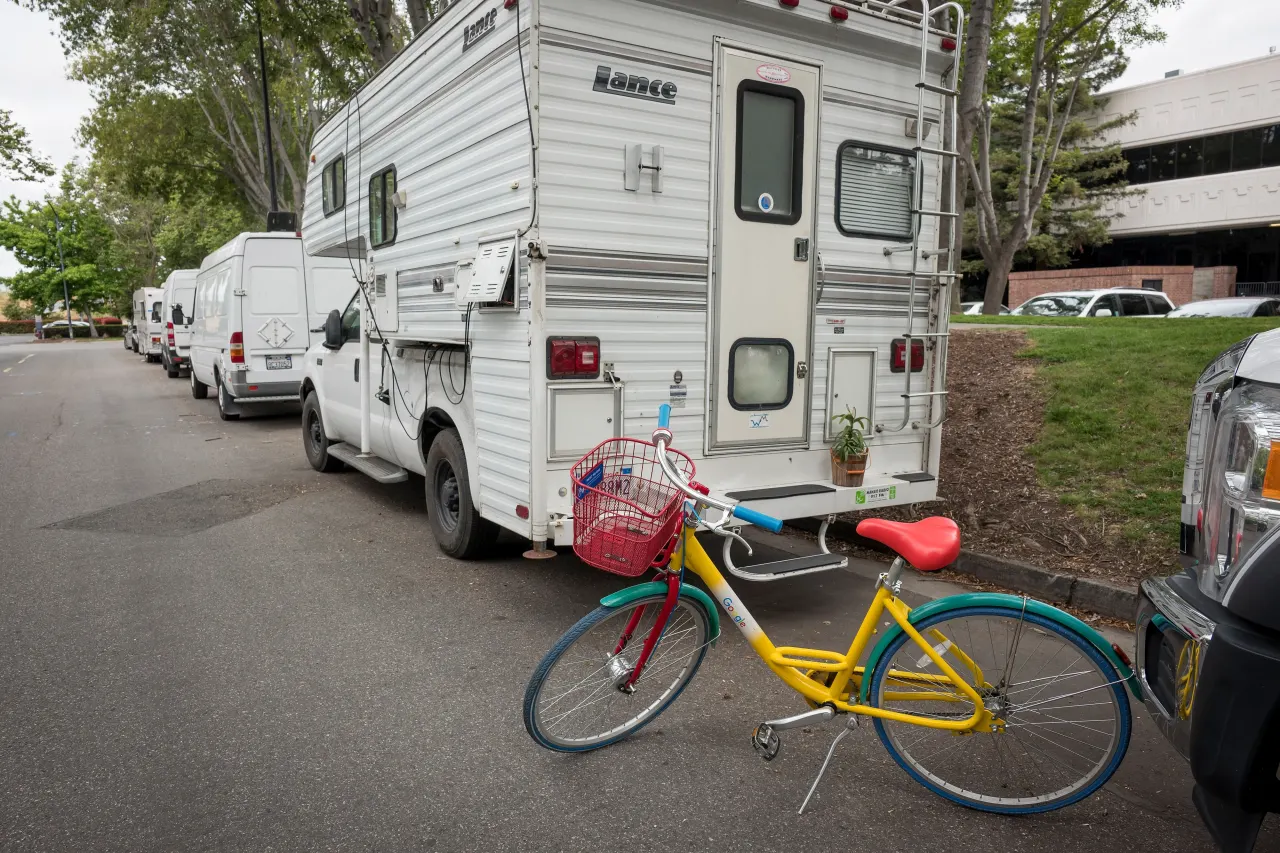
Mountain View’s city council has approved rules to ban unhitched trailers from public roads and prohibit renting out RVs, a practice known as “vanlording”. Supporters say the measures aim to curb predatory rentals and keep roads accessible to emergency vehicles, while some officials raised concerns about effects on low-income residents living in vehicles.
The rules need a second and final vote, scheduled for 8 December, and could take effect a month later; a proposal would delay enforcement until July. In summer, the city counted 428 inhabited vehicles, mostly RVs, up 40% from the previous year, including about 67 unhitched trailers. Mountain View has allocated $428,000 for homelessness prevention and response services, plus $50,000 for emergency lodging vouchers.
In short
- Mountain View plans new restrictions on trailers and RV rentals.
- The city counted 428 inhabited vehicles, up 40% in a year.
- Officials set aside $50,000 for emergency lodging vouchers.
Steelman: both sides, in good faith
The strongest fair case each way — we don't pick a winner.
The case for
Supporters argue that banning unhitched trailers and RV rentals would reduce exploitative “vanlord” arrangements and make crowded streets safer and more accessible, including for emergency vehicles. With the number of inhabited vehicles rising, they see clear rules and enforcement as a way to protect residents and manage public space, alongside funding for homelessness services and lodging.
The case against
Critics argue that restrictions could remove shelter or income options for people who cannot afford housing, without ensuring they have a safe alternative. They may also question whether the rules address the causes of the growth in vehicle homelessness, and favour delaying enforcement while the city expands support and assesses the effects on low-income residents.
Explained simply
Mountain View is a city in California’s Silicon Valley, where high housing costs have made it difficult for many people to find affordable homes. Some residents live in recreational vehicles (RVs), which can be parked on streets, while others rent them from owners.
The city has seen more vehicles used as homes, including trailers left unattached to cars. Officials have debated how to manage street parking and rentals while accounting for residents who rely on vehicles for shelter. The issue involves public access and safety, housing affordability and support for people at risk of homelessness.