Science news and discussion on TalkFuse.
River work to help critically endangered eels
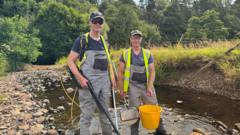
A £50,000 project to remove a redundant weir at Glinger Burn near Longtown is intended to help critically endangered European eels and other fish move freely along the river. The work matters because barriers can prevent migration and spawning, while eels have declined by 90% over the past 30 years.
West Cumbria Rivers Trust, funded by the Environment Agency, expects diggers to dismantle the weir over two weeks before creating natural “step pools” to improve habitat. The trust says eels can struggle to pass the structure in low flows, risking injury, and hopes similar restoration work will also benefit salmon and trout.
In short
- Redundant Cumbria weir is being removed to aid eel migration.
- European eel numbers have fallen 90% in 30 years.
- Natural river features will also support salmon and trout.
Steelman: both sides, in good faith
The strongest fair case each way — we don't pick a winner.
The case for
Eels are critically endangered, having declined by 90% in three decades, and migration barriers directly prevent spawning whilst causing injury; removing this redundant weir is a proven, cost-effective conservation measure that scientific evidence supports and that will benefit other fish species too.
The case against
Whilst eel conservation matters, this single weir removal is unlikely to meaningfully reverse a decline driven primarily by ocean-based mortality and commercial fishing; given eels face multiple existential challenges, the £50,000 might generate greater conservation impact if directed towards addressing root causes or protecting eels at sea, rather than local infrastructure removal.
Explained simply
European eels are critically endangered, having declined by around 90% over the past three decades. A £50,000 project near Longtown in Cumbria aims to help these fish, along with salmon and trout, by removing a redundant weir from Glinger Burn.
Weirs and other structures across rivers can prevent fish from migrating to where they need to spawn and feed. When water levels are low, eels can struggle to pass such obstacles, potentially injuring themselves in the attempt.
West Cumbria Rivers Trust, backed by funding from the Environment Agency, will dismantle the weir using diggers over roughly two weeks. The team will then create natural step pools to improve conditions for fish and restore the river habitat.