Ro Khanna calls for the right to oppose data centers to be protected
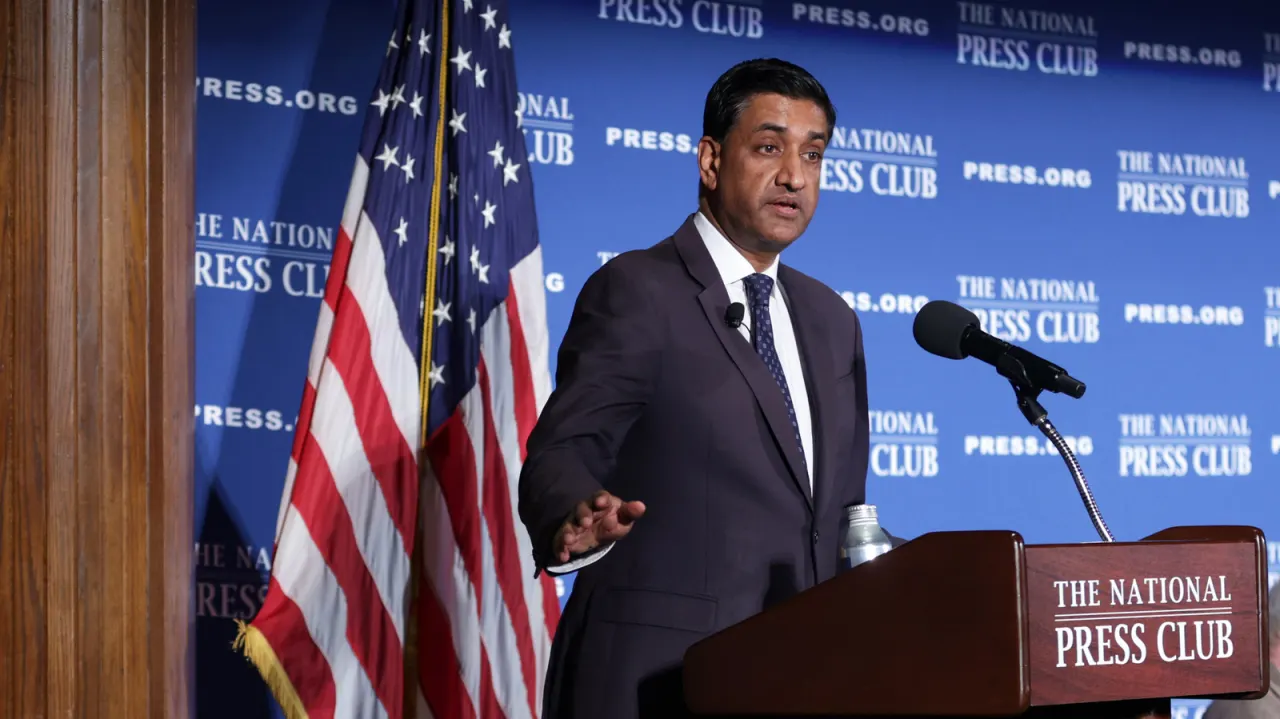
US Representative Ro Khanna has introduced a House resolution calling for a "Data Center Bill of Rights" to protect local communities' ability to reject data centre projects being built near their homes. The move follows growing state-level pushback against rapid data centre expansion, including a one-year moratorium in New York, and comes as the federal government has moved to exempt data centres from environmental laws and limit states' power to regulate them.
The resolution proposes that communities be allowed to reject projects through a transparent local process, ban data centres from residential areas, and keep them at least 2,500 feet from homes, schools, childcare facilities, hospitals and nursing homes. It also calls for residents to be able to demand transparency from operators, block related electricity rate changes, and require the use of clean energy. The document is a non-binding outline rather than actual legislation, but highlights concerns such as pollution from backup generators and turbines, and projections that AI data centres could consume up to 32 billion gallons of water annually by 2028.
In short
- Khanna proposes a "Data Center Bill of Rights" resolution in Congress
- Would let communities reject or restrict nearby data centre projects
- Cites pollution and water use fears; not yet actual legislation
Steelman: both sides, in good faith
The strongest fair case each way — we don't pick a winner.
The case for
The strongest case emphasises that data centres represent heavy industrial facilities whose environmental and health impacts—including pollution from backup generators, massive water consumption, and strain on local infrastructure—warrant community input through democratic processes. Proponents argue that exempting data centres from environmental laws and limiting state authority breaks with established practices of protecting residential areas from industrial risks, particularly when facilities lack transparency about operations and clean energy requirements. Rather than opposing development, the resolution seeks reasonable safeguards like distance buffers and clean energy mandates that permit responsible projects whilst preserving communities' ability to protect residents' health and environmental quality.
The case against
The strongest case holds that data centres are essential infrastructure supporting critical services—from healthcare systems to emergency communications—and that local veto power enables obstructive opposition rather than genuine environmental protection. Proponents contend that modern data centres increasingly employ renewable energy and have minimal physical footprints relative to their economic benefit, and that centralised federal and environmental review is more efficient than fragmented local processes that systematically block infrastructure. Rather than abandoning development, they argue for rigorous environmental standards applied consistently across jurisdictions, which prevent communities from using local politics to exclude necessary facilities that generate jobs and economic growth whilst serving national interests in technological competitiveness.
Explained simply
Data centres are large buildings that house the computer servers used to store data and run online services, including artificial intelligence. They need substantial electricity and cooling, and may use backup generators when power supplies fail.
Ro Khanna is a US lawmaker in the House of Representatives. Local communities, state governments and federal agencies all have a role in decisions about where these facilities can be built and how they are regulated.
The debate matters because data centre growth can affect nearby residents through land use, energy demand, water use and pollution. The balance between supporting digital services and addressing those local effects has become a point of discussion across the United States.