Edinburgh driver avoids prison over cyclist’s life-threatening brain injuries
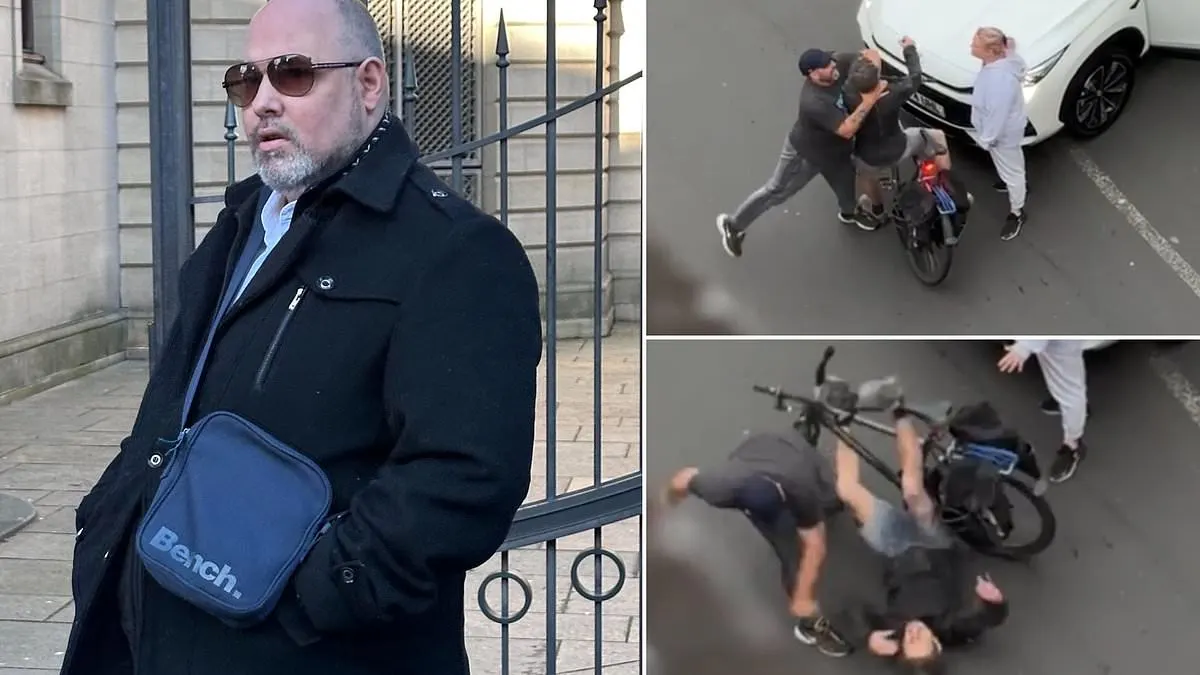
Joseph Hedley has avoided prison after assaulting cyclist Iain Brown during a road rage clash in Edinburgh, leaving him with a serious brain injury. The sheriff said the injuries were significant but imposed a community sentence by the narrowest of margins.
Brown suffered a fractured skull and bleeding on the brain, which doctors considered potentially life-threatening. Hedley, 39, admitted assaulting him; he received a two-year supervision order and must wear an electronic tag and remain at home from 7pm to 7am for 12 months. The court heard the confrontation followed an exchange involving abuse and a safety light, and that a passenger in Hedley’s car had suffered a seizure.
In short
- Joseph Hedley avoided jail for assaulting cyclist Iain Brown.
- Brown suffered a fractured skull and brain bleeding.
- Hedley must be tagged and stay home overnight for a year.
Steelman: both sides, in good faith
The strongest fair case each way — we don't pick a winner.
The case for
A community sentence can be justified if the court judged that the circumstances of the clash, Hedley’s personal situation and the prospects of rehabilitation made strict supervision and a curfew more effective than custody. The electronic tag and extended home restriction impose substantial limits on his freedom while allowing him to remain in the community.
The case against
The assault caused a fractured skull and bleeding on the brain that doctors considered potentially life-threatening, so avoiding prison may seem out of proportion to the harm done. A custodial sentence could better express the seriousness of the violence, provide a stronger consequence and reassure cyclists and the wider public that assaults causing grave injuries are treated firmly.
Explained simply
Road rage is a term for anger or aggression between people using the road. Disputes can involve drivers, cyclists and other road users, and may begin over behaviour or safety concerns.
In Scotland, serious criminal cases are heard in court by a sheriff, who decides the sentence after a person admits or is found guilty of an offence. Sentences can include prison or community measures such as supervision, restrictions on movement and electronic monitoring.
Cyclists are more exposed to injury than people inside cars, so a collision or assault can have severe consequences. Cases involving road users raise questions about public safety and how courts weigh the harm caused when deciding a sentence.
Read the full article at the source →
Originally published by Daily Mail as “Road rage thug who left cyclist with brain injury avoids jail sentence”.