ROBERT HARDMAN: Kemi is more in tune with Commonwealth thinking than our eager-to-please PM
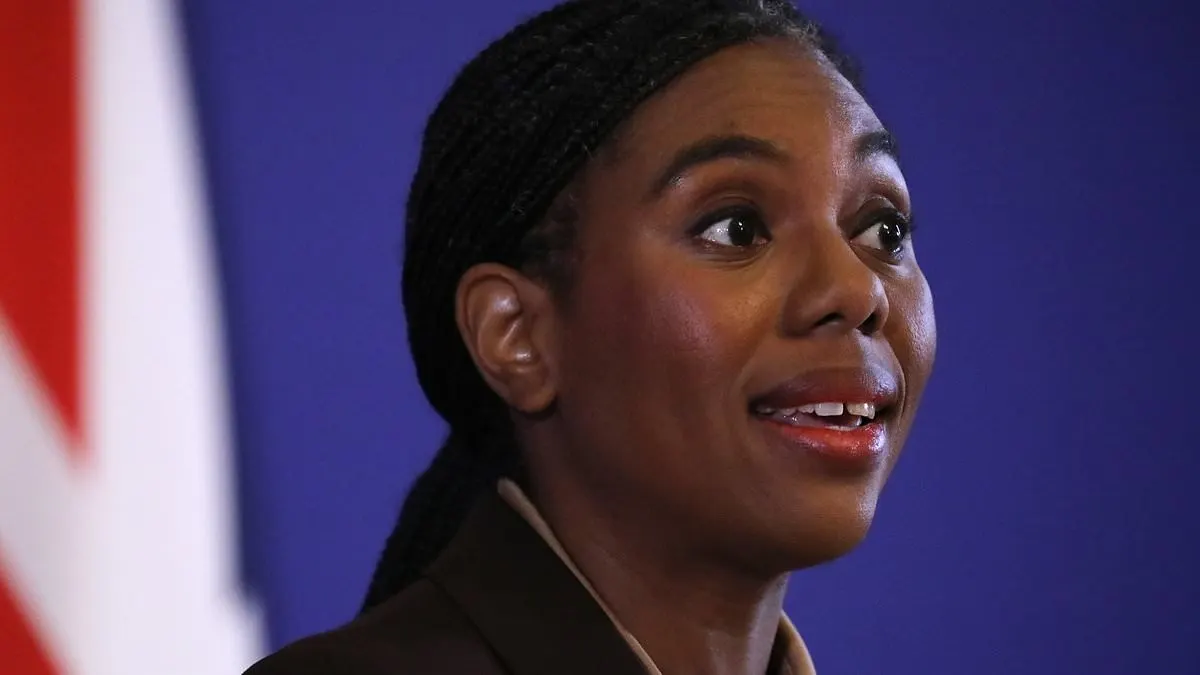
Robert Hardman argues that Kemi Badenoch’s opposition to discussing reparations could help reset Britain’s relations with the Commonwealth, while warning that Keir Starmer’s offer of dialogue has sharpened tensions before the summit in Antigua. The dispute matters because King Charles, who opens the meeting, is both the UK’s head of state and head of the Commonwealth, and many Caribbean nations share him as monarch.
CARICOM’s 15 members are seeking discussion of a ten-point reparations plan, which the article says is estimated to cost between $7 trillion and $24 trillion (£5 trillion to £18 trillion). Starmer said he was open to an apology and structured dialogue but rejected financial reparations as the right answer; CARICOM chair Philip Pierre said the bloc rejects that position. Badenoch has raised the possibility of Britain leaving the 56-member Commonwealth, while Hardman argues the summit is also focused on trade and other present-day deals.
In short
- CARICOM wants Britain to discuss its ten-point reparations plan.
- Starmer supports dialogue but rejects financial reparations.
- Badenoch has raised the possibility of Britain leaving the Commonwealth.
Steelman: both sides, in good faith
The strongest fair case each way — we don't pick a winner.
The case for
Badenoch’s opposition to reparations discussions could reassure Commonwealth governments that Britain will not let a divisive historical claim dominate a summit meant to address current cooperation. Supporters may argue that focusing on trade and practical agreements serves people’s present-day interests, while avoiding commitments whose scale and fairness would be difficult to establish.
The case against
Supporters of dialogue may argue that discussing reparations is a legitimate response to slavery’s enduring harms and that refusing even to engage risks weakening trust with Caribbean nations. Starmer’s offer of an apology and structured talks could provide a way to address those concerns while leaving financial compensation undecided; rejecting that approach may deepen tensions and make Commonwealth cooperation harder.
Explained simply
The Commonwealth is a group of 56 countries, many of which were once part of the British Empire. The King is its ceremonial head and is also head of state in the UK; several Caribbean countries share him as monarch.
CARICOM represents 15 Caribbean countries. Its members want discussion of reparations for slavery and its lasting effects, including a ten-point plan; Britain’s debate centres on whether to discuss the issue and what form any response might take.
The dispute sits alongside wider questions about Britain’s relationship with Commonwealth countries, including trade and cooperation. It also raises the question of what role the Commonwealth should play in addressing the history of empire.