Robert Plant walked away from Jimmy Page when their reunion became “absurd”
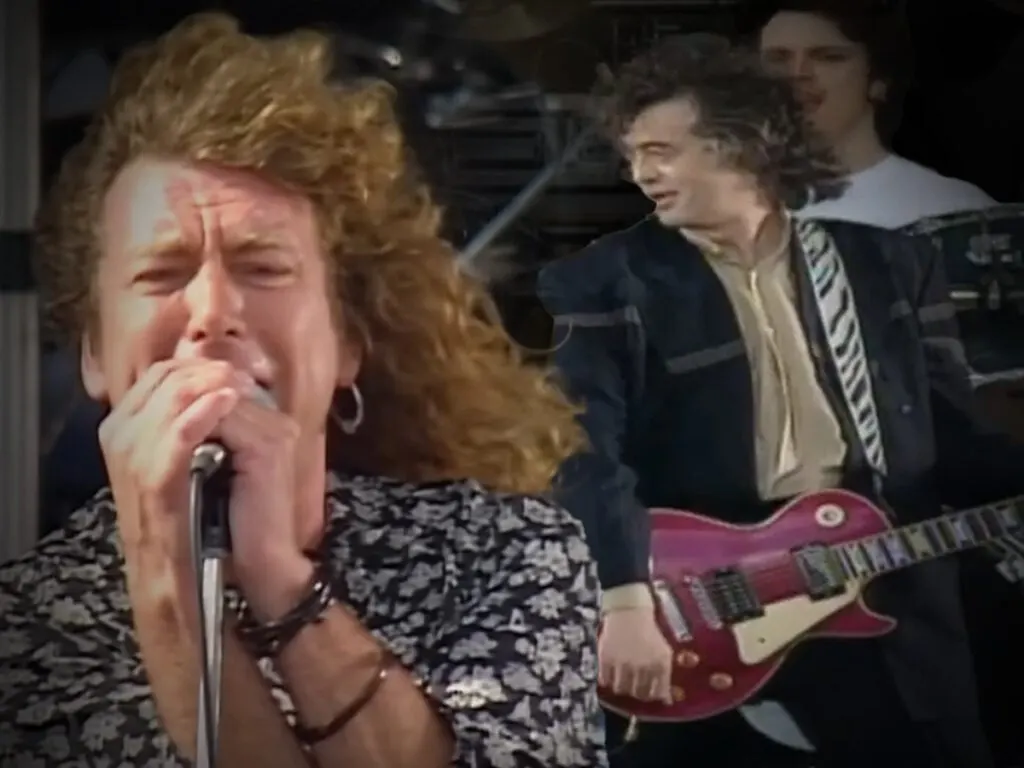
Robert Plant stepped away from his partnership with Jimmy Page after their reunion project began to feel like a return to the oversized arena circuit he wanted to leave behind. His decision shows how the pair’s shared Led Zeppelin history could create expectations and opportunities that did not fit Plant’s desire to reconnect with audiences through smaller shows.
Plant and Page reunited as a duo in 1994 and released *Walking Into Clarksdale* in 1998. In a 2005 interview, Plant said he had reservations about the album’s production and found the process arduous; proposed arena dates, including a New Year’s Eve show in Guam and an Amnesty International benefit in Paris, made the project feel “absurd” to him. He chose to return to playing clubs, and described saying goodbye to large arenas with Page as a deliberate move.
- Plant left the Page partnership to return to smaller venues.
- They reunited in 1994 and released an album in 1998.
- Arena dates revived expectations Plant wanted to leave behind.
New here? Start with this
Robert Plant and Jimmy Page were central figures in Led Zeppelin, the hugely influential rock band that disbanded in 1980. The two reconnected in 1994 as a musical duo, reuniting after fourteen years apart.
The partnership produced Walking Into Clarksdale, an album released in 1998. The project generated extensive proposals for touring, featuring large arena dates and prominent international shows, including an Amnesty International benefit concert in Paris and a New Year's Eve performance in Guam.
Plant had moved away from performing in large arenas and preferred instead to play smaller club venues to maintain a closer connection with audiences. The scale and ambition of what the reunion project appeared to entail created a tension with this new artistic direction.
Both sides, in good faith
The strongest fair case each way — we don't pick a winner.
The case for
Plant's decision to prioritise his creative vision and personal wellbeing is defensible. His discomfort with the arena circuit and proposals for spectacular venues like a New Year's Eve show in Guam represented a genuine artistic mismatch that made the project feel unsustainable. Artists retain the right to decline opportunities that compromise their creative satisfaction, and Plant's choice to pursue smaller venues allowed him to reconnect with audiences in the way he genuinely wanted.
The case against
The Plant/Page reunion represented a significant moment in rock history that arguably warranted continued effort despite personal reservations. The partnership between two Led Zeppelin legends held cultural importance and fan interest that transcended preferences about venue scale, and some would contend that such iconic artists carry responsibility to share their legacy broadly. Persisting through initial discomfort might have yielded meaningful artistic work and given audiences access to a collaboration of genuine historical importance.