Video games news, releases, esports and culture — all the biggest gaming stories in one place.
Robot Olympics runner bravely sprints headfirst into wall and collapses in shower of sparks, is not a metaphor
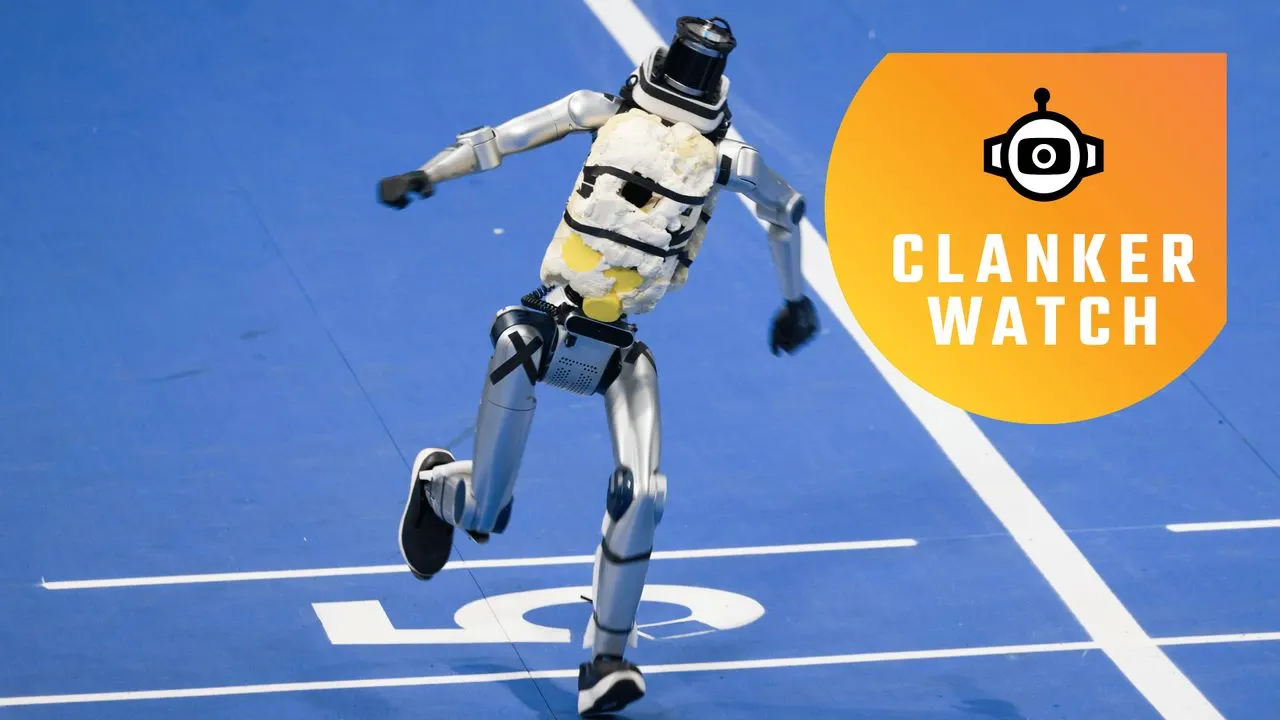
Beijing is hosting the second annual World Humanoid Robot Games, an international competition featuring thousands of humanoid robots operated by teams competing in more than 50 different events. The programme combines physical challenges such as weightlifting with scenario-based exercises that test robots' ability to handle complex tasks like simulated rescue operations.
The games have recently gained widespread attention through a circulating video of one competing robot experiencing a spectacular malfunction during a sprint event. The robot accelerated at full speed into a safety barrier and sustained structural damage in the collision, becoming a focal point for public discussion about the competition.
In short
- Second annual World Humanoid Robot Games underway in Beijing with thousands of robots competing across over 50 events
- Competition spans physical challenges like weightlifting and scenario-based tasks such as fire rescue simulations
- Viral video of a robot malfunctioning—accelerating uncontrolled into a safety barrier—has generated widespread attention
Steelman: both sides, in good faith
The strongest fair case each way — we don't pick a winner.
The case for
Humanoid robot competitions drive genuine technological progress through international competition that spurs innovation and enables knowledge-sharing between leading robotics teams. Malfunctions such as the robot's collision provide invaluable real-world testing data that helps engineers refine safety systems, decision-making algorithms and design—lessons that ultimately benefit practical applications in disaster response, healthcare and manufacturing. Public engagement and international prestige also inspire future researchers and attract funding to the field.
The case against
These games represent an inefficient use of resources better deployed towards fundamental robotics research, practical real-world applications, and rigorous safety engineering rather than international spectacles designed primarily for public attention. The robot's dramatic malfunction underscores potential gaps in pre-competition testing and engineering rigour, and the sensationalised viral coverage suggests these events function as entertainment rather than serious technical advancement. Resources spent staging games with thousands of robots would yield greater benefit if directed towards solving genuine human problems.
Explained simply
The World Humanoid Robot Games is an annual competition in Beijing where teams operate human-shaped robots in sporting and practical challenges. Events range from weightlifting to simulated rescue tasks, testing how robots perform in different situations.
The competition brings together thousands of robots and teams from different countries. It offers a public showcase of current robotics, while the varied events help illustrate the practical challenges of making machines move and respond reliably.