Rocket Lab pushes Neutron’s first flight to 2027 after tank defect
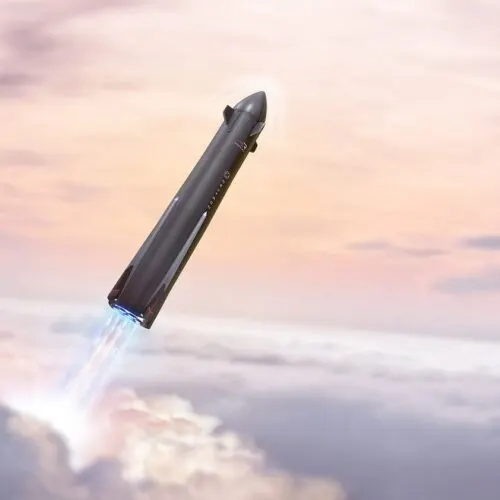
Rocket Lab has delayed the first flight of its Neutron rocket until 2027 after finding air pockets in a carbon-composite section of its first stage. The defect affected a propellant tank dome, and the company says it paused production to investigate and adjust its manufacturing process.
Neutron’s large booster structures are made using specialised curing methods, and the thicker sections introduced after a tank ruptured during a January pressure test were where the voids formed. Rocket Lab says an aft dome made under the revised process passed inspection, giving it confidence to make a new forward dome. The rocket was announced in 2021 with a target first flight in 2024.
- Neutron’s first flight is now expected in 2027.
- Air pockets were found in a carbon-composite tank dome.
- Rocket Lab says its updated manufacturing process passed inspection.
New here? Start with this
Rocket Lab is a space company that builds and launches rockets for putting satellites into orbit. Neutron is its larger rocket, designed to carry heavier payloads than the company’s Electron rocket.
Neutron’s first stage is the section that provides the main thrust during launch and contains tanks for propellant. Its tanks use carbon-composite materials, which are shaped and cured during manufacture; a defect in one of these structures can affect the rocket’s strength and require changes to production.
The delay follows an earlier tank rupture during a pressure test, after which Rocket Lab made some tank sections thicker. The company’s progress matters to satellite operators and others looking for more launch options, though Neutron is still in development.
Both sides, in good faith
The strongest fair case each way — we don't pick a winner.
The case for
Delaying the launch is a prudent response to a defect in a propellant tank, where proceeding before the cause is understood could put people, equipment and the mission at risk. Pausing production to refine the process and inspect a new dome may also help ensure the revised design is reliable before flight.
The case against
The delay highlights the cost of ambitious schedules and manufacturing changes, especially after the original 2024 target had already slipped and a tank had ruptured in testing. Further postponement could defer Neutron’s contribution to launch competition and burden customers and partners who are counting on the rocket, so critics may question whether the development process is moving quickly enough.
Culture Space Technology Travel
Read the full article at the source →
Originally published by Ars Technica as “Rocket Lab announces another delay for its medium-lift Neutron rocket”.