Science news and discussion on TalkFuse.
Rocket Report: New launch rule may limit environmental regulations, Falcon 9 to hit Moon
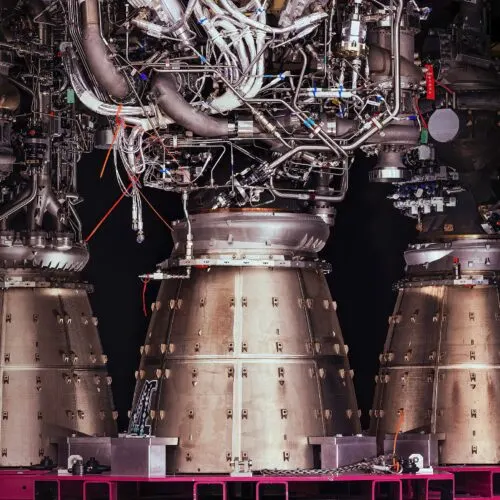
The report highlights a busy week for commercial launch providers, led by major US military business for Rocket Lab and SpaceX, alongside delays and revised plans for European rockets. These developments matter because they show continuing demand for responsive launch capacity while illustrating the technical and scheduling risks facing newer vehicles.
Rocket Lab secured a $266 million US Space Force contract for 12 suborbital Electron launches, with up to six more, beginning no earlier than late 2026 and mainly operating from a new site in Kodiak, Alaska. Germany’s Rocket Factory Augsburg delayed RFA One’s planned Scottish debut after finding a vehicle issue during pad testing; the rocket is intended to carry up to 1,300kg to Sun-synchronous orbit. Meanwhile, MaiaSpace abandoned a planned suborbital test and aims for its first orbital Maia launch in the second half of 2027.
In short
- Rocket Lab wins $266 million Space Force launch contract
- RFA One debut delayed after pad-testing issue
- MaiaSpace targets orbital debut in 2027
Explained simply
Commercial launch companies build rockets and sell launches to governments and other customers. Rocket Lab’s Electron is a small rocket that can also fly suborbital missions, which reach space without completing an orbit; its planned launches for the US Space Force are intended to test and develop military launch capabilities.
Several newer European rockets are still being developed, and their schedules depend on testing and technical readiness. A delay to Rocket Factory Augsburg’s RFA One and MaiaSpace’s revised plans show the challenges of bringing new vehicles into service. Reliable launch capacity matters for placing satellites in orbit and supporting government and commercial space programmes.
Environment Science Space Technology