Technology news and discussion on TalkFuse.
Rocket Report: Rocket Lab shows off its flexibility; Blue Origin’s two-pad plan
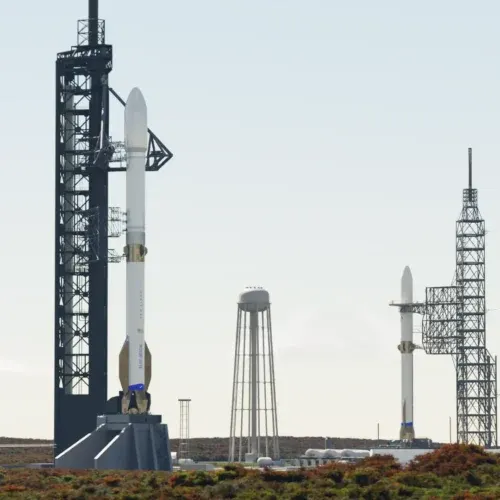
This week’s Rocket Report highlights moves by Rocket Lab, MaiaSpace and Firefly Aerospace as they expand launch capacity and pursue new vehicles. The developments matter because demand for launch services is tightening, while companies face pressure to prove that ambitious rocket programmes can be delivered reliably and financed sustainably.
– Rocket Lab unveiled GHOST, a portable spaceport system intended to let Electron and HASTE rockets launch more flexibly for multi-launch campaigns and national-security missions, alongside planned launches from Alaska.– The company already operates from New Zealand and Virginia, but uncertainty remains over the readiness of its larger Neutron rocket’s second stage.– ArianeGroup chose not to dissolve MaiaSpace despite its €37.5 million loss in 2025, which left shareholders’ equity at negative €823,375; MaiaSpace can therefore continue preparing Maia’s first flight.– Firefly said Alpha rocket production is at an all-time high and cited unusually constrained launch capacity as it develops the larger Eclipse vehicle.
In short
- Rocket Lab is pursuing portable, more flexible launch operations.
- MaiaSpace survives despite heavy losses and negative equity.
- Firefly is increasing production amid constrained launch capacity.
Explained simply
Commercial rocket companies build launch vehicles and compete to carry satellites and other payloads into orbit. Rocket Lab operates the small Electron rocket from sites in New Zealand and Virginia, while also developing the larger Neutron; MaiaSpace and Firefly Aerospace are working on their own launch vehicles.
Launch sites, production capacity and funding all affect how often a company can fly and whether it can meet customer needs. These plans matter to satellite operators and governments seeking access to space, but new rockets and launch systems must still prove they can work reliably and be financially sustained.