Rocket Report: SpaceX completes launch triple-header; Rocket Lab nets big contract
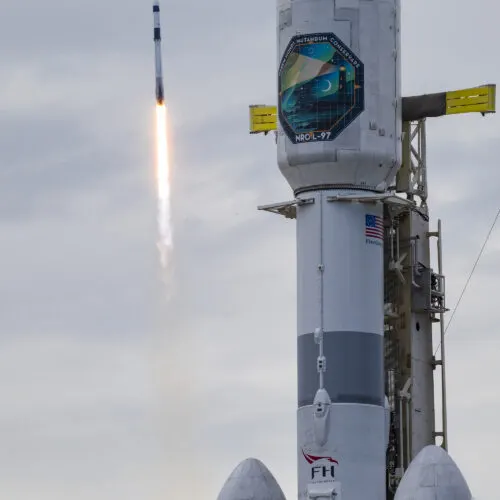
The space industry saw major breakthroughs this week, with SpaceX reaching a historic orbital milestone and Rocket Lab securing its largest contract.
– SpaceX's Starship reached low-Earth orbit for the first time on Monday after 14 flight attempts, successfully deploying 26 new-generation Starlink V3 satellites. – Rocket Lab signed its largest Electron launch service agreement: a 20-mission contract with Japanese Earth-imaging satellite company Synspective, bringing total bookings to 47 launches. – Portuguese firm Omnidea acquired the assets of Scottish rocket maker Orbex, which collapsed earlier this year, and will establish UK operations at Orbex's former manufacturing facility. – SpaceX launched four astronauts aboard Falcon 9 and Dragon to the International Space Station for a six-month expedition, the company's 21st crewed flight mission.
- Starship reaches orbit after 14 attempts, deploys 26 Starlink V3 satellites.
- Rocket Lab secures record 20-mission contract, bringing total to 47 launches.
- Four astronauts launch to ISS on SpaceX's 21st crewed spaceflight mission.
New here? Start with this
Commercial companies are increasingly taking over work that governments once did exclusively, launching satellites and astronauts to orbit. This shift matters because private companies competing for business have driven down costs significantly, making space more affordable for everything from internet services to scientific research.
SpaceX leads the commercial launch market with reusable rockets that have cut the price of reaching orbit dramatically. Rocket Lab operates smaller, cheaper vehicles designed for launching smaller payloads. Several other firms, including some based in the UK, are trying to develop their own launch capabilities to compete in this growing market.
When companies achieve technical milestones or win major contracts, it demonstrates they have reliable technology and genuine customer demand. This attracts investment and encourages more competitors to enter the field, creating a cycle that continues to make launching things to space faster, cheaper, and more routine.