Roger Avary’s ‘Paradise Lost’ & Alex Proyas’ ‘Heaven’ Have U.S. Theatrical Commitments As AI Outfit Ex Machina Strikes Cinema Deal On Slate
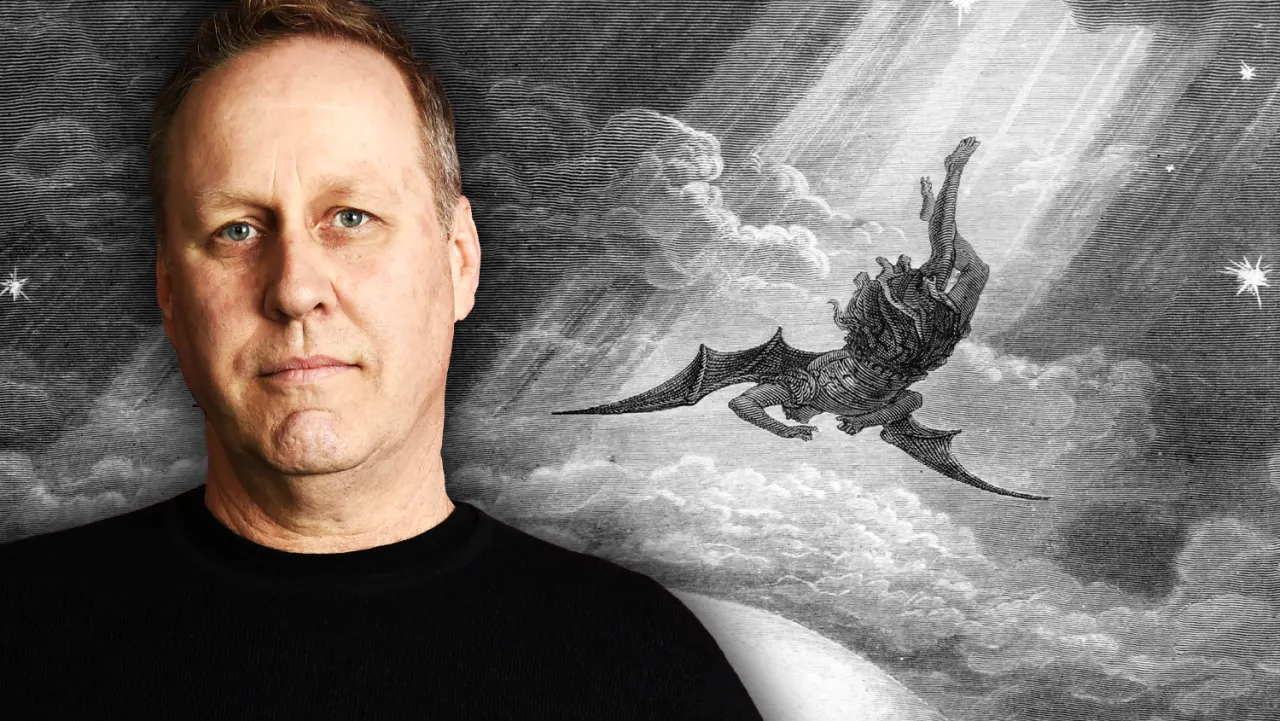
Ex Machina Studios, an AI-oriented film producer, has signed an exclusive North American theatrical distribution deal with Mayfair Media Group, giving its slate wide releases in major cities including New York, Los Angeles, Chicago and Toronto. The agreement is notable as the first theatrical pipeline deal of its kind secured by an AI-focused producer-studio, and covers films that will screen across Galaxy Theatres and other chains on more than 1,500 screens.
Ex Machina plans four projects in 2027, rising to roughly six films a year under the arrangement. The first two are Roger Avary's biblical epic "Paradise Lost", based on Milton's 1667 poem and due for Easter 2027, and Alex Proyas' original afterlife thriller "Heaven", set for summer 2027. Both films had previously struggled to secure backing at other studios due to financial constraints, with the teams now hoping AI tools will help realise their ambitious world-building. Mayfair is led by Galaxy Theatres executives Frank Rimkus and Rafe Cohen, alongside marketing veteran John Hegeman and Falling Forward Films founder Scott Kennedy.
- Ex Machina signs first-ever theatrical deal for an AI film studio
- Avary's "Paradise Lost" out Easter 2027, Proyas' "Heaven" summer 2027
- Releases will hit 1,500+ screens via Mayfair Media Group's exhibitors
New here? Start with this
Ex Machina Studios is a film producer that focuses on using artificial intelligence tools in production. Its agreement with Mayfair Media Group sets up cinema distribution for a slate of films across North America; Mayfair works with Galaxy Theatres and other cinema chains.
The first planned films are “Paradise Lost”, directed by Roger Avary and based on John Milton’s 17th-century poem, and “Heaven”, an afterlife thriller directed by Alex Proyas. Both projects had previously struggled to find studio backing, in part because of their costs and scale.
The deal matters because it gives an AI-focused producer a route to wide cinema releases, while its filmmakers hope the tools will help realise ambitious settings. It also brings Mayfair, whose leadership includes cinema and film-marketing executives, into the distribution of the planned slate.
Both sides, in good faith
The strongest fair case each way — we don't pick a winner.
The case for
This deal enables ambitious filmmaking projects that traditional studios abandoned due to cost constraints. AI tools can assist with resource-intensive elements like visual effects and world-building, allowing filmmakers like Avary and Proyas to realise their artistic visions at theatrical scale whilst reaching wide audiences through 1,500+ screens. Market competition from AI-focused producers drives innovation and democratises access to distribution, expanding the stories audiences experience.
The case against
Whilst appealing, this expansion raises substantive concerns about labour displacement for artists and technicians whose roles may be automated. Unresolved copyright and originality questions surround AI-assisted production, and genuine risk exists that algorithmic optimisation drives content towards standardised preferences rather than authentic artistic vision. The claimed efficiency gains often translate into reduced budgets for human crew whilst theatrical prices remain unchanged, concentrating cost savings with studios rather than benefiting audiences or workers.
AI Americas Art Asia Culture Entertainment Film Technology World