Politics news and discussion on TalkFuse.
ROOKE: Our Propaganda Press Is Beating You Senseless, Again
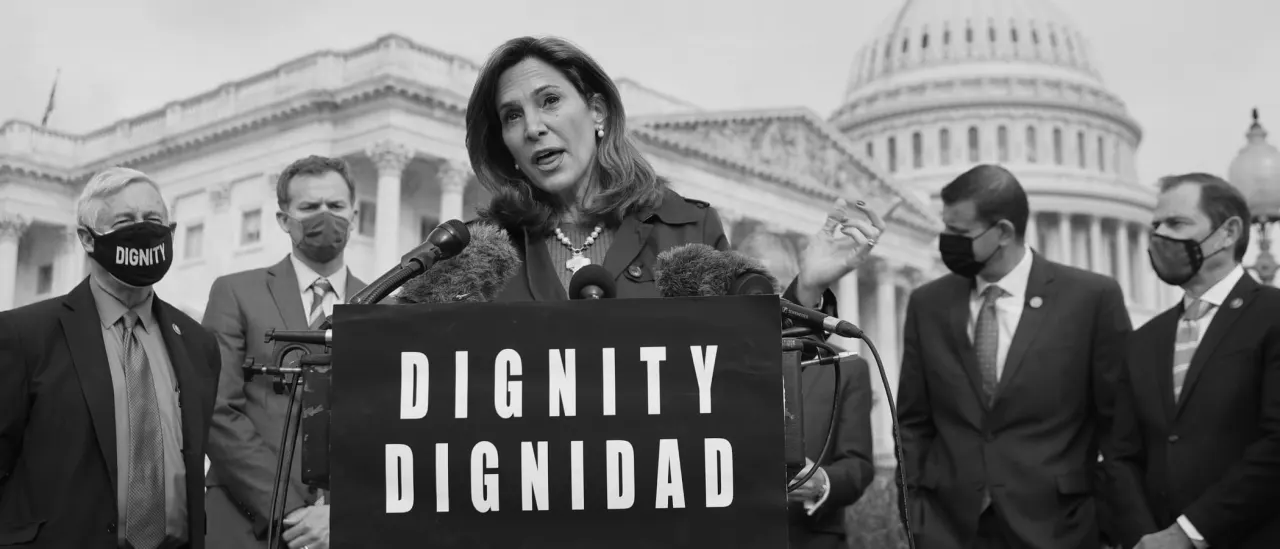
The opinion piece argues that media coverage and political pressure are being used to build support for amnesty for people who entered the US unlawfully. It says this debate is likely to intensify after Republicans lost control of Congress, and criticises the Trump administration’s deportation messaging, particularly Kristi Noem’s public presentation.
The article highlights Florida Representative Maria Salazar’s DIGNIDAD, or Dignity Act, which had more than 50 co-sponsors and could offer a path to citizenship to millions who entered the US before 31 December 2020. It also discusses Javier and Graciela Quiej’s family: Javier crossed the border in 1991, and the article says the parents and two of their children have deportation orders, following an earlier order in 1996 that the family did not obey. The text supplied ends before the account is complete.
In short
- The author warns that pressure for immigration amnesty is growing.
- Salazar’s bill has more than 50 co-sponsors.
- The article cites a family with a deportation order dating to 1996.
Steelman: both sides, in good faith
The strongest fair case each way — we don't pick a winner.
The case for
Supporters of measures such as the Dignity Act could argue that people who have lived in the United States for decades, built families and contributed to their communities deserve a stable legal status and a route to citizenship, provided they meet clear conditions. They may see this as a practical way to recognise long-standing realities, reduce insecurity for families and bring people into a regulated system, while arguing that humane enforcement messaging should not obscure individual circumstances.
The case against
Critics could argue that a broad route to citizenship for people who entered unlawfully risks rewarding breaches of immigration law and weakening confidence that the rules will be enforced. They may favour prioritising consistent enforcement and caution that sympathetic coverage of individual families can shape policy debate without resolving questions of fairness to those who followed legal routes or the effects on future migration.