Root in ‘very different place’ over Test captaincy
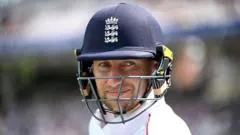
Joe Root says he is ready to resume the England Test captaincy, believing he is in a much better position than when he stepped down in 2022. His return matters because he and incoming coach Stephen Fleming take over a side struggling after poor results and off-field disciplinary problems ended the Stokes-McCullum era.
Root previously led England in a record 64 Tests, winning 28, but resigned after the team won only one of 17 matches and the role affected his health. Since then, he has averaged more than 54 in Tests and scored 16 of his 41 centuries, compared with an average of 46.44 in the preceding five years. The 35-year-old will begin his second full-time spell against Pakistan at Headingley on 19 August, with Fleming joining before December’s South Africa tour.
- Root returns as England Test captain after four years.
- He says captaincy no longer carries the same personal strain.
- Root and Fleming inherit a troubled England side.
New here? Start with this
England’s Test side represents the country in cricket’s longest format, with matches lasting up to five days. The captain leads the team on the field and helps set its direction, while the head coach oversees preparation and coaching.
Joe Root is an England batter who previously captained the side for 64 Tests, a national record. Stephen Fleming, a former New Zealand captain, is due to become England’s coach; the pair will work with a team that has struggled for results and faced disciplinary issues.
The captaincy is a demanding role, and Root stepped down in 2022 after a difficult period for England. His experience and recent batting form are relevant as the team seeks to improve, while his earlier comments about the role’s effect on his health provide context for his return.
Both sides, in good faith
The strongest fair case each way — we don't pick a winner.
The case for
Root's return represents a measured chance at redemption grounded in clear evidence of genuine change. His performance has been remarkable—averaging over 54 since stepping down, significantly above his pre-resignation average—demonstrating that he can excel when freed from captaincy burden. He is not the person who struggled in 2022; he is older, has reflected deeply, and now possesses the resilience and perspective to manage both the role and his wellbeing. England's situation demands exactly this stability and experience, making his willingness to try again after genuine hardship both understandable and potentially transformative.
The case against
Returning Root to captaincy risks repeating the exact circumstances that forced his resignation for his mental health. His previous spell saw him suffer severe personal strain whilst leading a team that won only one of 17 matches—fundamentally difficult conditions unlikely to have disappeared. Most tellingly, his batting average leapt from 46 to 54+ the moment he relinquished the role, providing statistical evidence that captaincy directly undermines his performance. At 35, with only a handful of elite years remaining, England should preserve him purely as a batter rather than risk both his wellbeing and his extraordinary current form to a burden already proven unsustainable.