Rosie O’Donnell accuses CBS of giving Trump a ‘bribe’ by settling ’60 Minutes’ lawsuit
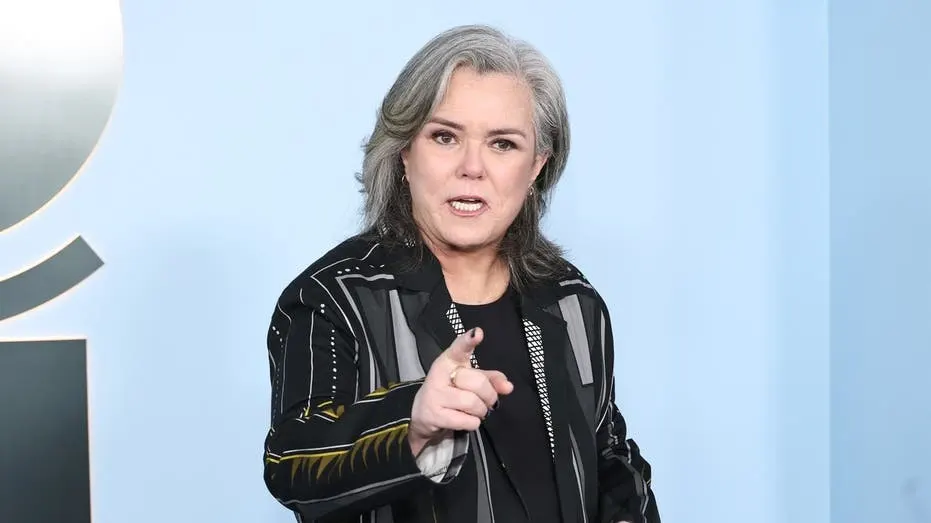
Rosie O'Donnell has accused CBS of effectively bribing Donald Trump by settling his lawsuit over a "60 Minutes" interview, calling the deal a "capitulation" to the US president. The comedian made the remarks on "The View" alongside co-host Ana Navarro, adding to a wider row over how mainstream broadcasters have responded to legal and political pressure from the Trump administration.
Trump had sued CBS over its editing of a "60 Minutes" interview with then-vice-presidential candidate Kamala Harris, and the network's parent company reached a settlement with him, a move critics such as O'Donnell say sets a troubling precedent for press independence. O'Donnell, who has been a vocal Trump critic, also used the appearance to predict he would not complete his term, saying he "won't make it to 2028."
In short
- Rosie O'Donnell called CBS's Trump lawsuit settlement a "bribe"
- She made the comments on "The View" with Ana Navarro
- O'Donnell also predicted Trump won't finish his term by 2028
Steelman: both sides, in good faith
The strongest fair case each way — we don't pick a winner.
The case for
Defenders of CBS's settlement contend that media organisations must balance principle with practical institutional constraints, including finite legal budgets, insurance considerations, and fiduciary duties to shareholders. Settling one lawsuit does not represent abandonment of journalism; rather, it reflects strategic business judgment about resource allocation. News organisations can maintain rigorous reporting standards and aggressive coverage of political figures whilst making pragmatic decisions on individual disputes, allowing the institution to survive and continue serving the public long-term.
The case against
Critics argue that settling lawsuits brought by powerful political figures, particularly those in government, undermines press independence by rewarding legal intimidation and establishing precedent. When networks capitulate to litigation threats, they create perverse incentive structures that discourage robust future reporting on controversial figures, ultimately weakening the press's ability to scrutinise authority—a function essential to democracy. They maintain that institutional principle must outweigh financial considerations when press freedom itself is at stake.
Explained simply
Donald Trump sued CBS over a "60 Minutes" interview with Kamala Harris, who was the vice-presidential candidate at the time, claiming the network had unfairly edited the broadcast. CBS and its parent company have now settled the lawsuit with Trump, bringing the legal dispute to a close.
Critics have expressed alarm about what the settlement might mean for press independence in America. When powerful figures are able to use legal action against news organisations, some worry it can discourage critical reporting or lead outlets to avoid challenging coverage for fear of litigation.
Trump is now president, giving the dispute added significance in discussions about the relationship between the executive branch and mainstream media. The broader issue at stake is whether news organisations will maintain editorial independence when faced with legal pressure from those in power.