Culture news and discussion on TalkFuse.
Round Up: Game Freak’s ‘Beast Of Reincarnation’ Is A Mixed Bag
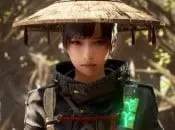
Nintendo Life has rounded up early reviews for Game Freak's new action RPG, Beast of Reincarnation, which launches on PS5, Xbox Series X|S and PC rather than Nintendo formats. The Pokémon studio's departure into an entirely new IP has drawn a broadly positive but uneven critical reception, with reviewers weighing its combat and storytelling against some structural shortcomings.
Scores range from a glowing 9.5/10 from Vice, which likened it to Sekiro and NieR: Automata, down to a more measured 7/10 from Game Reactor UK. Common praise includes its combat system, soundtrack, world design and emotional storytelling, particularly the bond between its human and animal protagonists, while criticism centres on repetitive enemies, a confusing skill tree and occasional overdesign.
– Vice: 9.5/10 – praised for kinetic combat and emotional narrative – Games Radar+: 4.5/5 – liked traversal and weapon variety, though fairly linear – PlayStation Universe: 8.5/10 – strong soundtrack and combat over a 30-hour campaign – RPG Site: 8/10 – praised human-animal bond despite some overdesign – Digital Chumps: 7.8/10 – good story let down by repetitive enemies and a confusing skill tree – Game Reactor UK: 7/10 – an enjoyable if lower-scoring side project
In short
- Game Freak's non-Pokémon game Beast of Reincarnation gets mixed-to-positive reviews
- Currently PS5/Xbox/PC only, but a Switch 2 port seems likely
- Scores range from 7/10 to 9.5/10 across major outlets
Explained simply
Game Freak is best known for making Pokémon, a long-running series of role-playing games. Beast of Reincarnation is a new action role-playing game, with a human and an animal companion at the centre of its story. It is due on PlayStation 5, Xbox Series X|S and PC.
The game’s early reviews praise its combat, music, world and emotional storytelling, especially the bond between its two main characters. Some reviewers found the enemies repetitive, the skill tree hard to follow and parts of the design overcomplicated. The spread of scores reflects different views of how well the game’s strengths balance its shortcomings.
Art Business Companies Culture Software Technology