New releases, music videos and album news — indie, rap, rock and pop. Always covering Ren, Chris Webby, Sam Tompkins, bbno$, CHINCHILLA, Muse, Yungblud and more.
Roxette’s 40th Anniversary Tour in North America Canceled by Live Nation, Band Says
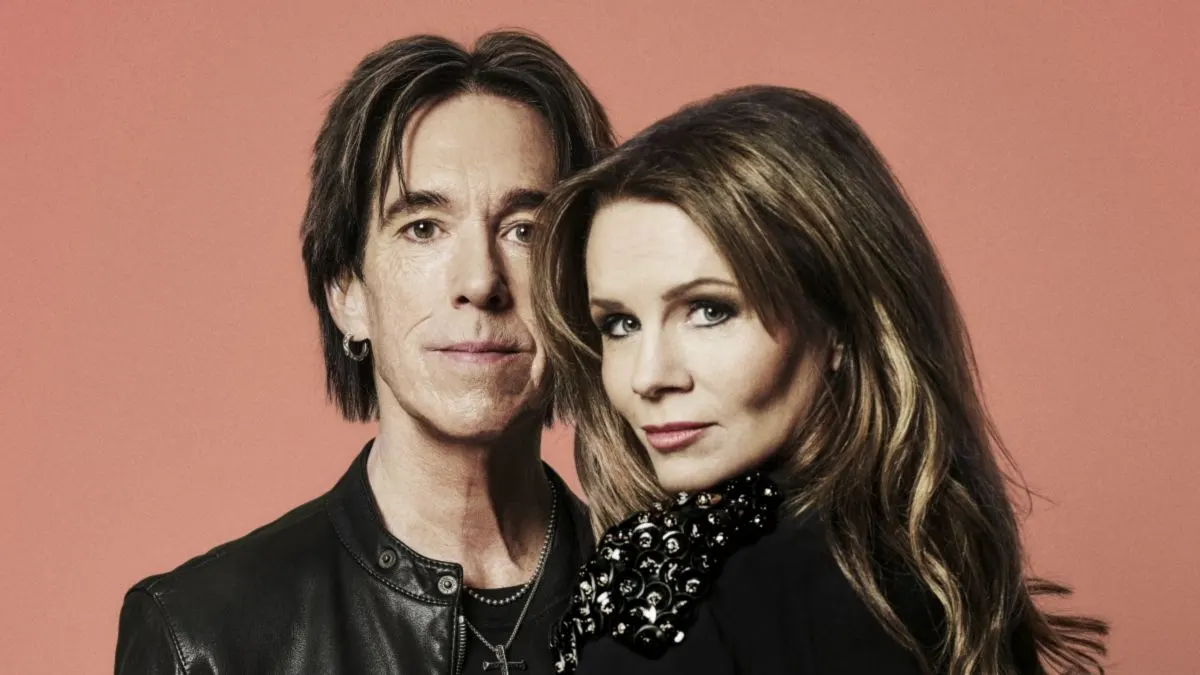
Roxette's Swedish pop-rock band has announced that Live Nation has cancelled the North American leg of their 40th anniversary tour, citing "logistics and hugely increased touring costs." Guitarist and songwriter Per Gessle said he and bandmate Marie Fredriksson's successor Lena, along with the rest of the band, were disappointed, noting the US is their biggest streaming market, but that the call was made by Live Nation based on its own calculations. The cancellation adds Roxette to a growing list of acts whose North American tours have been scrapped amid what industry observers have dubbed "Blue Dot Fever," a reference to the empty-seat markers on Ticketmaster showing weak ticket sales.
The scrapped 14-date tour, featuring support acts Taylor Dayne, Nick Lowe and Los Straightjackets, had been announced in May and was due to open on 10 September in Michigan. Roxette, known for hits including "The Look," "Listen to Your Heart," "It Must Have Been Love" and "Joyride," had four US number ones between 1988 and 1991 and have sold millions of records worldwide. Despite the North American setback, the band has continued to tour successfully elsewhere, having played across Europe, South America, Australia and South Africa in 2025 and 2026, with further European dates planned. Similar cancellations this year have hit The Pussycat Dolls, Post Malone and Jelly Roll, and Meghan Trainor, with underwhelming ticket sales widely seen as a contributing factor.
In short
- Live Nation cancels Roxette's North American 40th anniversary tour
- Band cites rising touring costs; 14 dates were planned from September
- Latest in a wave of US tour cancellations amid weak ticket sales
Steelman: both sides, in good faith
The strongest fair case each way — we don't pick a winner.
The case for
Live Nation's decision reflects unavoidable economic realities in contemporary touring. Post-pandemic cost increases in transport, labour, and production, combined with Ticketmaster's sales data indicating insufficient advance bookings, made the tour financially unviable. Proceeding would have exposed both promoter and artist to significant losses. This represents prudent business management, and Roxette's successful touring in Europe, South America, and Australia demonstrates they remain commercially viable elsewhere where market conditions permit.
The case against
Roxette retains genuine commercial appeal and cultural resonance, having successfully toured five continents in 2025-2026, and holds particular significance in North America where they dominated the charts in 1988-1991. Rather than outright cancellation, strategic alternatives existed—smaller venues, adjusted production budgets, or modified touring models—that could have served the loyal fanbase and maintained the band's presence in their second-largest streaming market. The rising trend of wholesale cancellations creates a self-reinforcing decline in touring opportunities for established acts, ultimately impoverishing both artists and audiences.
Explained simply
Roxette is a Swedish pop-rock band that achieved major international success in the late 1980s and early 1990s, with hit songs including "The Look," "Listen to Your Heart," "It Must Have Been Love" and "Joyride." The band continues to tour around the world and remains popular on streaming platforms, with the United States being their largest streaming market.
A 40th anniversary tour had been announced to celebrate the band's long career, with dates scheduled across North America alongside their touring activities in other regions. North America represents a significant market for established touring acts in terms of both revenue and audience size.
The North American concert industry has experienced weakening demand for live music in recent times, with several major artists having cancelled tour dates due to insufficient ticket sales. Industry observers have termed this trend "Blue Dot Fever," a reference to the empty-seat markers visible on ticketing platforms that reflect the shift in consumer demand.