Royal Exchange boss unveils new plays two years after damaging censorship row
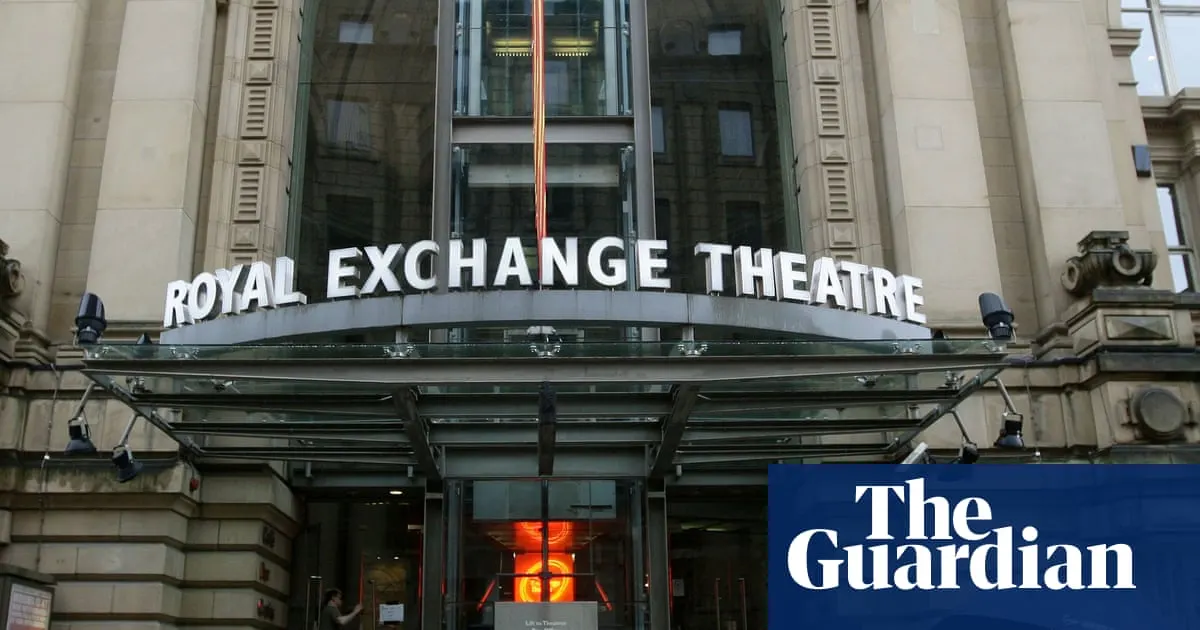
Selina Cartmell has announced a new Royal Exchange season for 2027-28, saying the Manchester theatre will take risks and put artists at its centre. The plans mark a move forward two years after a dispute over a song in a cancelled production of *A Midsummer Night’s Dream* led to accusations of censorship and an independent review that identified serious leadership failures.
The season includes Simon Stephens’s Stockport-set retelling of the Phaedra myth, a new production of *Guys and Dolls* and *A Midsummer Night’s Dream* featuring Beverley Knight. In 2028, the theatre will stage an adaptation of David Peace’s *Munichs*, about the 1958 air disaster that killed 23 of 44 passengers, including eight Manchester United players. The theatre also plans to reopen its 100-seat studio, closed since the Covid pandemic, and refurbish its 750-seat main space.
- Royal Exchange has unveiled its 2027-28 season.
- The plans follow a damaging censorship dispute and review.
- A new play will revisit the Munich air disaster.
New here? Start with this
The Royal Exchange is a theatre in central Manchester, led by artistic director and chief executive Selina Cartmell. It stages plays and musicals in a distinctive round auditorium, and its programme includes both new work and well-known stories.
In 2025, a dispute about a song in a planned production of Shakespeare’s A Midsummer Night’s Dream led the theatre to cancel the show and prompted accusations of censorship. An independent review later found serious failures in the theatre’s leadership, making its response and future direction a matter of public interest.
The theatre’s plans also involve reopening its small studio, which has been closed since the Covid pandemic, and refurbishing its main auditorium. One announced play, based on David Peace’s Munichs, concerns the 1958 Munich air disaster, in which eight Manchester United players and 15 others died.