Royal Mail ‘on brink of collapse’ as 400 workers quit every week ahead of Christmas rush, claims union
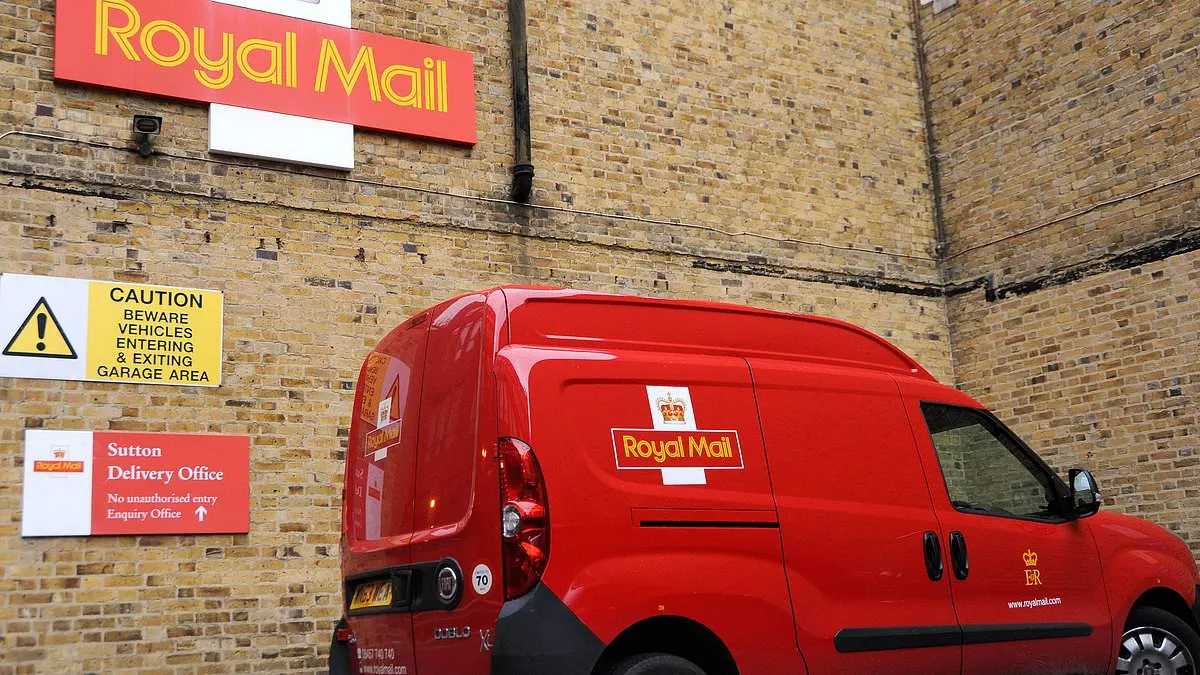
The Communication Workers Union (CWU) says Royal Mail faces a staffing crisis that could put the service “on the brink of collapse” unless the Government and the company intervene. It says departures have risen as new delivery routes increase workloads, raising concerns about service quality ahead of the Christmas rush.
The union says about 400 workers are leaving each week, up from 330, with many new part-time recruits quitting; some posties report walking 12 to 15 miles a day. Royal Mail says its new model has raised the share of addresses receiving daily deliveries from 88 to 95 per cent, and it plans to hire 22,000 temporary Christmas workers. In the three months to 28 June, it delivered 85 per cent of first-class mail the next day and 91.4 per cent of second-class mail within three working days, below Ofcom targets of 90 and 95 per cent respectively.
- The CWU says 400 Royal Mail workers leave each week.
- The union links departures to heavier workloads and new routes.
- Royal Mail cites improved daily coverage and plans 22,000 Christmas hires.
New here? Start with this
Royal Mail is the UK’s main postal service, delivering letters and parcels to homes and businesses. It is required to meet delivery standards set by Ofcom, the communications regulator, including targets for how quickly first- and second-class mail should arrive.
The Communication Workers Union represents many postal workers and negotiates with Royal Mail over their work. Changes to delivery routes and staffing can affect how much post workers carry and how often households receive deliveries; the company says its new model has extended daily deliveries to more addresses.
Reliable post matters to households and businesses, especially during the busy Christmas period. Royal Mail’s recent delivery performance was below Ofcom’s targets, while the company says it plans to bring in temporary workers for the seasonal rush.
Both sides, in good faith
The strongest fair case each way — we don't pick a winner.
The case for
The CWU’s warning is supported by reported weekly departures, increased workloads on new routes and delivery performance below Ofcom’s targets. If staffing losses continue, temporary Christmas hires may not fully offset the pressure on regular workers or protect service quality during the busiest period.
The case against
Royal Mail says its new model has expanded daily delivery coverage from 88 to 95 per cent and plans to recruit 22,000 temporary workers for Christmas. The reported figures show performance below targets, but do not by themselves establish that the service is on the brink of collapse; the company could argue that planned recruitment and operational changes will help it manage demand.