World news and discussion on TalkFuse.
Navy chief warns of Russian probing as conflict risks rise
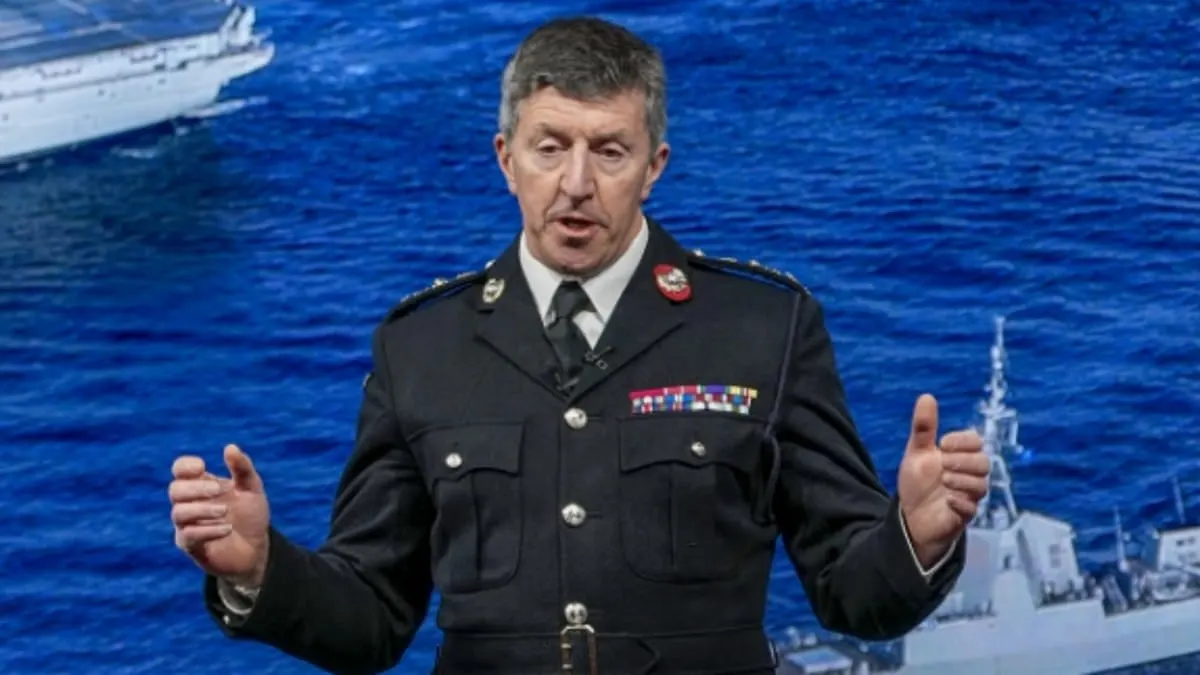
Royal Navy chief General Sir Gwyn Jenkins warned that Russia is probing for weaknesses in UK defences and that the risk of conflict between states is rising. Speaking aboard HMS Prince of Wales in Oslo, he said the UK must build strength, adapt quickly and show it is prepared to respond, arguing that credible readiness can help deter war.
The Navy plans to build 13 frigates and acquire several dozen uncrewed platforms, while developing jet-powered drones intended to operate from its two aircraft carriers. A newly formed autonomous squadron will focus on coastal defence, though its size and counter-drone capabilities are classified. Until new ships and systems enter service, the fighting surface fleet comprises six Type 45 destroyers and seven Type 23 frigates; Jenkins said the service aims to modernise within 1,000 days.
In short
- Navy chief says Russia is testing UK resolve.
- The risk of inter-state conflict is rising.
- The fleet is planned for major renewal.
Steelman: both sides, in good faith
The strongest fair case each way — we don't pick a winner.
The case for
Supporters of stronger naval readiness argue that Russian probing and rising tensions make it prudent to strengthen the UK’s ability to detect and answer threats. Investment in ships, drones and faster modernisation could deter aggression by showing that the country can protect its waters and respond effectively.
The case against
Those urging caution could argue that warnings about rising conflict should not, by themselves, justify a rapid military build-up whose costs and strategic effects deserve scrutiny. Expanding naval forces and relying on classified capabilities may divert resources from other priorities or intensify suspicion, while diplomacy and clear communication could also help reduce the risk of miscalculation.
Read the full article at the source →
Originally published by Daily Mail as “Royal Navy chief says Russia is ‘looking for weaknesses’ in UK defences and the threat of conflict is ‘rising’”.