World news and discussion on TalkFuse.
Royal Navy sailor misses father’s funeral after spending months at sea in submarine
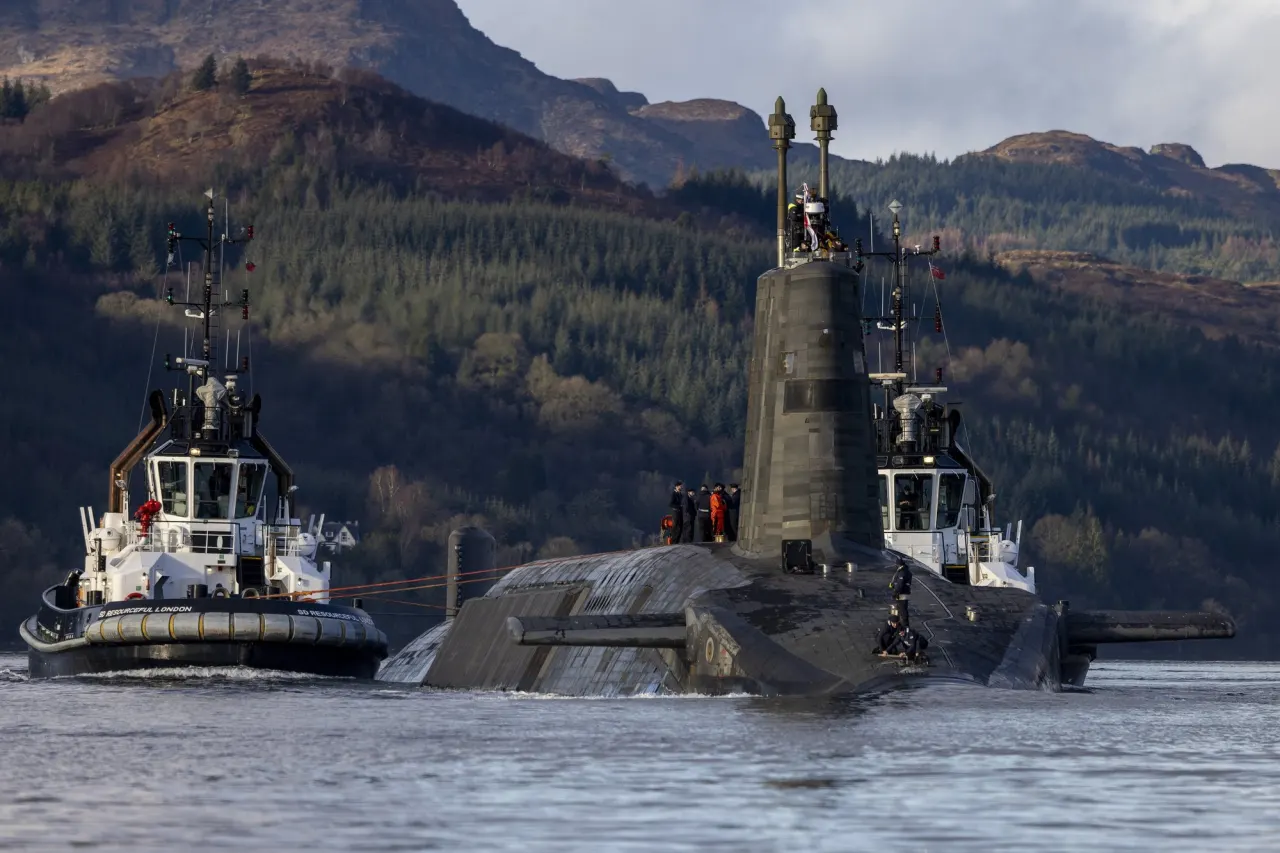
A Royal Navy sailor missed their father’s funeral while serving aboard HMS Vengeance on a 217-day underwater deployment. The patrol was far longer than planned because the submarine’s replacement was not ready, highlighting the strain on crews and Britain’s nuclear deterrent fleet.
The 140 crew members were largely cut off from the outside world, with only one screened text home allowed each week; bereavement news is withheld until near the end of a patrol. Vanguard-class submarines are designed for about 80 days at sea, but delays to maintenance and replacement readiness have lengthened deployments. The ageing fleet’s planned 25-year service life has been extended to 40 years, and only three boats are available.
In short
- HMS Vengeance spent 217 days underwater.
- A sailor learnt of their father’s death near the end of the patrol.
- Fleet delays are extending submarine deployments.
Steelman: both sides, in good faith
The strongest fair case each way — we don't pick a winner.
The case for
A continuous submarine patrol is central to maintaining a credible nuclear deterrent, and crews may need to remain at sea when a replacement boat is unavailable. From this perspective, extending a deployment can protect national security and the safety of the force, even when the personal cost to sailors and their families is severe.
The case against
A patrol lasting 217 days, far beyond the boats’ usual design period, raises serious questions about whether the fleet is being maintained and staffed responsibly. Sailors and their families bear an exceptional burden when delays leave no replacement available, and that strain may undermine wellbeing, morale and the long-term readiness the deterrent depends on.
Explained simply
HMS Vengeance is one of the Royal Navy’s Vanguard-class submarines, which carry Britain’s nuclear weapons as part of its continuous at-sea deterrent. The boats patrol in secret, and their crews have limited contact with people ashore.
The fleet is ageing, and maintenance delays and the slow arrival of replacement submarines have left fewer boats available for patrols. That can mean crews stay at sea longer than planned, with little ability to respond to events at home, including family bereavements.